About Level Mountain
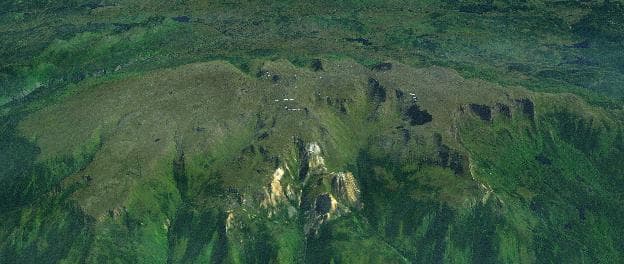
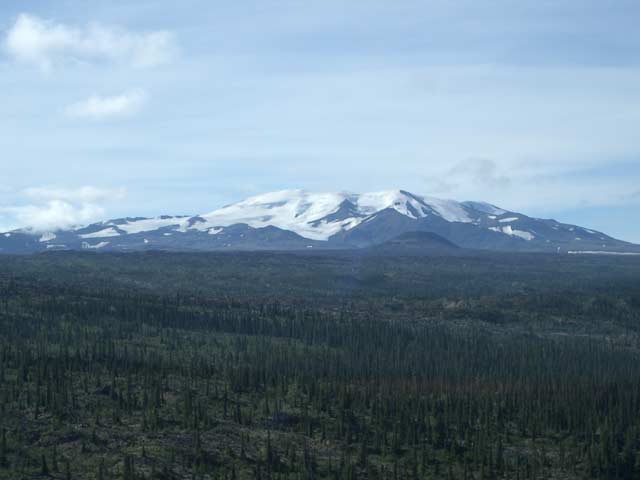
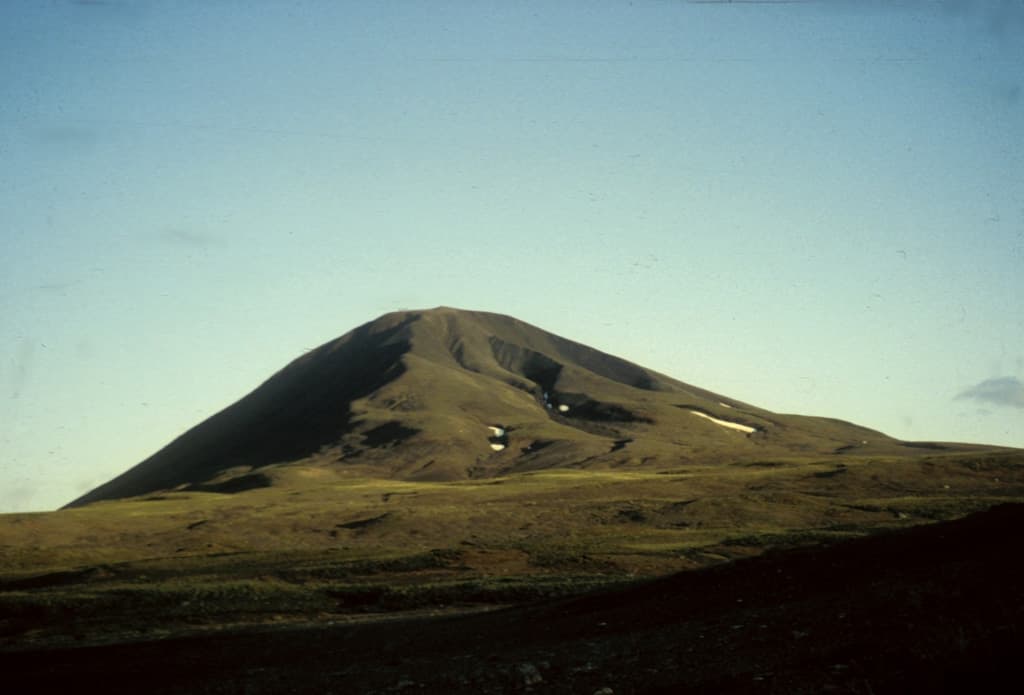
Level Mountain is a shield rising to 2,164 meters (7,100 feet) in Canada's North America Volcanic Regions. No historical eruptions have been recorded, though the volcano is classified based on geological evidence of past activity.
Geography & Climate
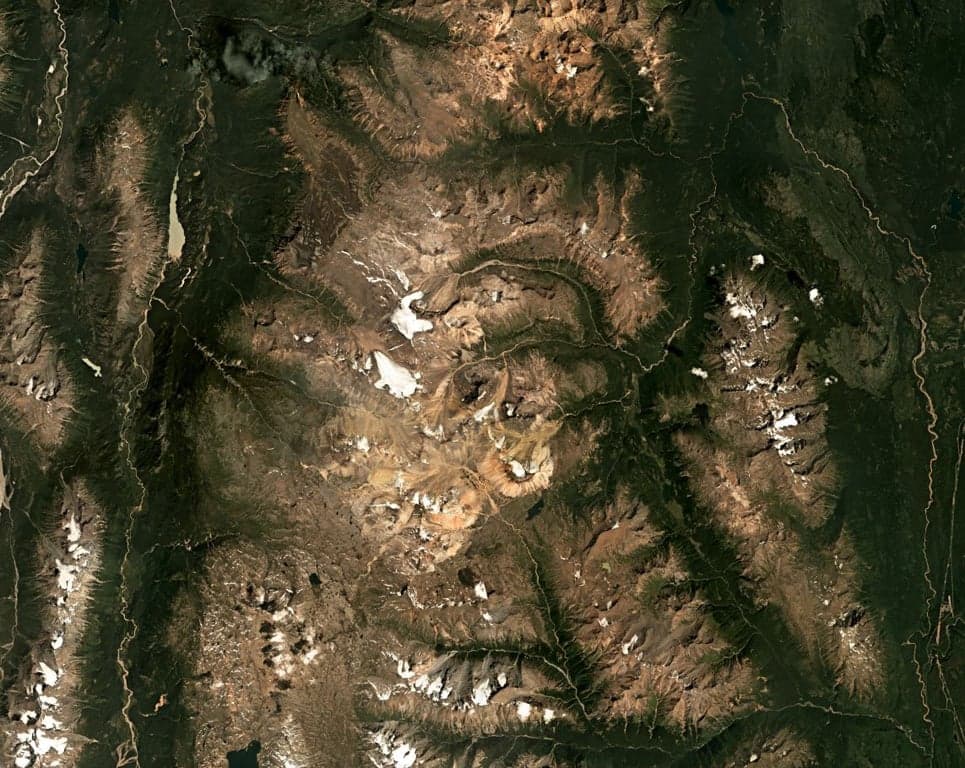
Level Mountain is located in Canada, within the Northern Cordilleran Volcanic Province of the broader North America Volcanic Regions. Situated at 58.42° N, 131.35° W in the Northern Hemisphere, the volcano lies within a subarctic climate zone. At 2,164 meters above sea level, Level Mountain rises above the surrounding terrain into montane or subalpine conditions. The elevation creates distinct ecological zones along its flanks, from forested lower slopes to exposed rocky terrain near the summit. The volcanic landform is characterized as a shield, which describes the physical shape and structure of the volcanic edifice as observed from the surface.
Geological Context
Level Mountain is an intraplate volcano, meaning it formed away from any plate boundary. These volcanoes are often powered by hotspots — plumes of abnormally hot mantle material rising from deep within the Earth. Hotspot volcanoes like Level Mountain tend to produce effusive eruptions with lava flows that can be relatively predictable, giving nearby communities in Canada more time to prepare. However, they can also produce explosive phases, particularly when magma interacts with groundwater. The dominant rock type is trachyte / trachydacite, an intermediate to silica-rich volcanic rock. This composition typically produces more viscous magma, leading to more explosive eruptions with ash columns and pyroclastic flows. Andesitic and dacitic magmas build pressure before erupting, which is why volcanoes with this rock chemistry are often associated with Plinian-style eruptions that can send ash tens of kilometers into the atmosphere and disrupt aviation across entire regions.
GVP Reference Summary
Level Mountain is the most voluminous eruptive center of the Stikine volcanic belt in NW British Columbia. The massive volcano covers an area of 1,800 km2 SW of Dease Lake and N of Telegraph Creek. An 860 km3 bimodal Miocene-to-Pliocene stratovolcano with several eruptive centers caps a Miocene basaltic shield. Following extensive glacial dissection and emplacement of late-Pliocene silicic lava domes, lesser activity continued into the Quaternary. More than 20 Tertiary-to-Holocene eruptive centers have been identified in the central portion of Level Mountain and on its flanks. The broad dissected summit region consists of trachytic and rhyolitic lava domes and was considered to have several minor basaltic vents of postglacial age (Hamilton and Scafe, 1977), although Edwards and Russell (2000) considered Holocene activity to be uncertain.
— Smithsonian Institution, Global Volcanism Program
0 Recorded Eruptions
No eruption records available for Level Mountain.
Real-Time Data
Frequently Asked Questions About Level Mountain
Is Level Mountain an active volcano?+
Level Mountain is not currently classified as active. Its activity evidence is listed as "Evidence Uncertain." No recorded eruptions have been documented. However, no volcano is ever considered permanently extinct.
How high is Level Mountain?+
Level Mountain has a summit elevation of 2,164 meters (7,100 feet) above sea level. At 2,164 meters, it is comparable in height to many significant mountain peaks and stands well above the tree line.
What type of volcano is Level Mountain?+
Level Mountain is classified as a Shield. Shield volcanoes have distinct geological characteristics that set them apart from other volcanic types.
Where is Level Mountain located?+
Level Mountain is located in Canada, in the North America Volcanic Regions. More specifically, it lies within the Northern Cordilleran Volcanic Province. Its exact coordinates are 58.420° latitude, -131.350° longitude.
Is it safe to visit Level Mountain?+
Level Mountain can generally be visited, but as with any volcano, visitors should check local conditions and any advisory notices before traveling. Canada may have specific regulations for accessing volcanic areas. Guided tours are often the safest and most informative way to experience a volcano.