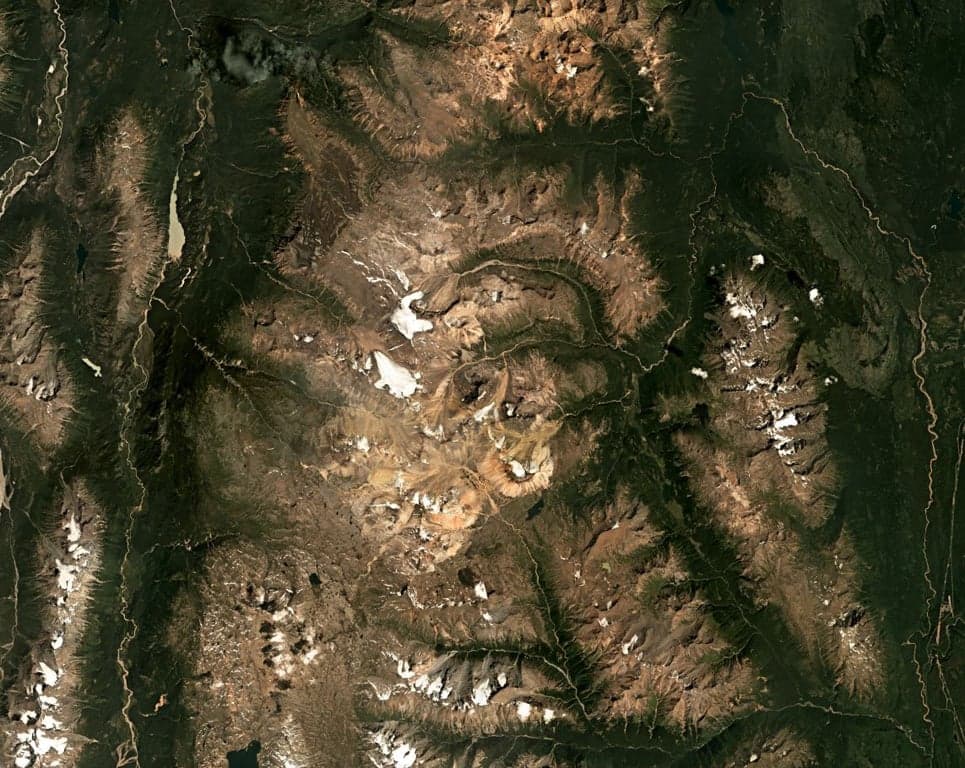
About Spectrum Range
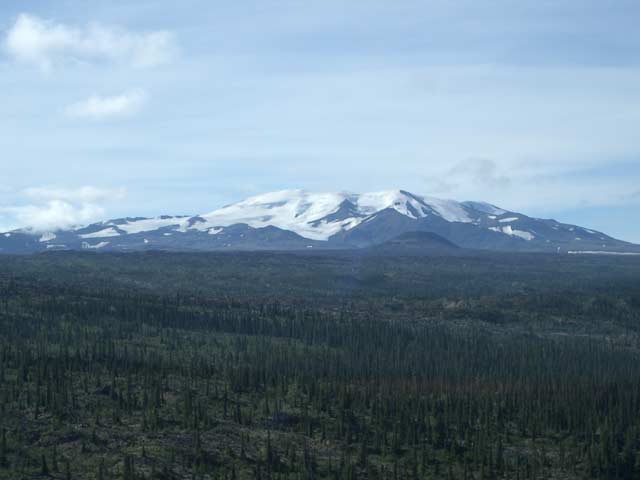
Spectrum Range is a shield rising to 2,430 meters (7,973 feet) in Canada's North America Volcanic Regions. No historical eruptions have been recorded, though the volcano is classified based on geological evidence of past activity.
Geography & Climate
Spectrum Range is located in Canada, within the Northern Cordilleran Volcanic Province of the broader North America Volcanic Regions. Situated at 57.43° N, 130.68° W in the Northern Hemisphere, the volcano lies within a subarctic climate zone. At 2,430 meters above sea level, Spectrum Range rises above the surrounding terrain into montane or subalpine conditions. The elevation creates distinct ecological zones along its flanks, from forested lower slopes to exposed rocky terrain near the summit. The volcanic landform is characterized as a shield, which describes the physical shape and structure of the volcanic edifice as observed from the surface.
Geological Context
Spectrum Range is an intraplate volcano, meaning it formed away from any plate boundary. These volcanoes are often powered by hotspots — plumes of abnormally hot mantle material rising from deep within the Earth. Hotspot volcanoes like Spectrum Range tend to produce effusive eruptions with lava flows that can be relatively predictable, giving nearby communities in Canada more time to prepare. However, they can also produce explosive phases, particularly when magma interacts with groundwater. The dominant rock type is rhyolite, a silica-rich volcanic rock associated with highly viscous magma. Rhyolitic eruptions can be extremely explosive and are responsible for some of the largest volcanic events in Earth's history, including supervolcanic caldera-forming eruptions. The high silica content traps dissolved gases, building enormous pressure that can lead to catastrophic explosive releases.
GVP Reference Summary
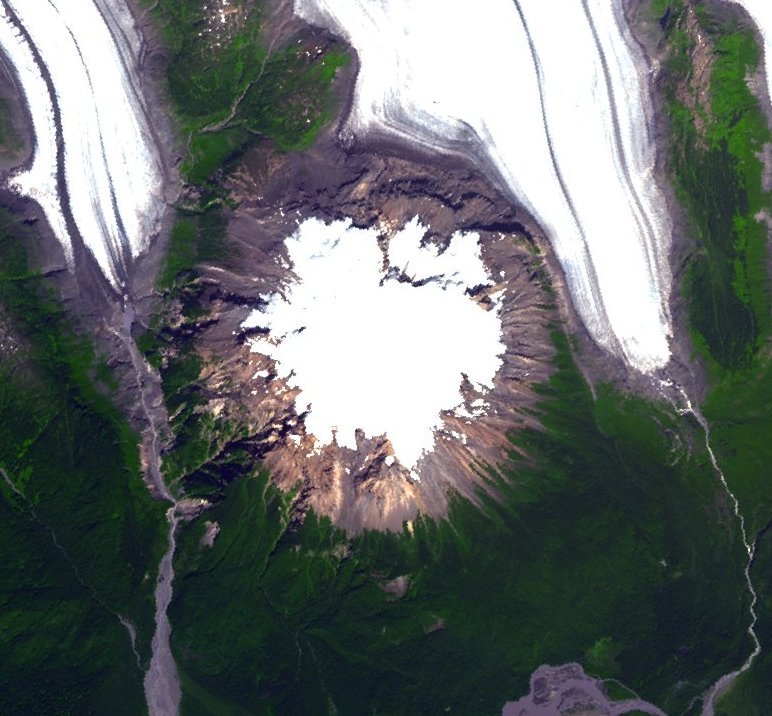
The Spectrum Range, named for its extensive colorful solfataric alteration, is one of four large composite volcanoes that make up the Mount Edziza-Spectrum Range volcanic complex, in which a predominately rhyolitic lava dome complex overlies a basal basaltic shield volcano. The Pliocene center contains Pleistocene subglacial and subaerial cones on the SW flank and Holocene pyroclastic cones and lava flows on the NW and SW sides. The Mess Lake Lava Field on the NW flank consists of young lava flows and tephra from three pyroclastic cones, including The Ash Pit, which may be the youngest volcanic feature of this complex.
— Smithsonian Institution, Global Volcanism Program
0 Recorded Eruptions
No eruption records available for Spectrum Range.
Real-Time Data
Frequently Asked Questions About Spectrum Range
Is Spectrum Range an active volcano?+
Spectrum Range is classified as active based on credible evidence of past eruptions. Although its last known eruption was in prehistoric times, volcanologists consider it capable of erupting again.
How high is Spectrum Range?+
Spectrum Range has a summit elevation of 2,430 meters (7,973 feet) above sea level. At 2,430 meters, it is comparable in height to many significant mountain peaks and stands well above the tree line.
What type of volcano is Spectrum Range?+
Spectrum Range is classified as a Shield. Shield volcanoes have distinct geological characteristics that set them apart from other volcanic types.
Where is Spectrum Range located?+
Spectrum Range is located in Canada, in the North America Volcanic Regions. More specifically, it lies within the Northern Cordilleran Volcanic Province. Its exact coordinates are 57.430° latitude, -130.680° longitude.
Is it safe to visit Spectrum Range?+
Spectrum Range can generally be visited, but as with any volcano, visitors should check local conditions and any advisory notices before traveling. Canada may have specific regulations for accessing volcanic areas. Guided tours are often the safest and most informative way to experience a volcano.