About Suoh
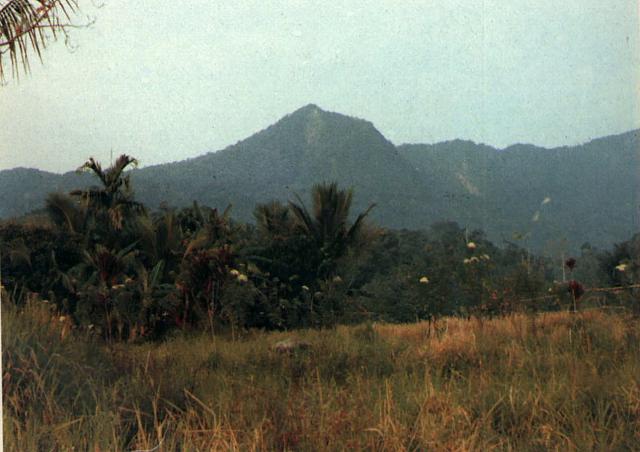
Suoh is a caldera(s) rising to 1,000 meters (3,281 feet) in Indonesia's Sunda-Banda Volcanic Regions. The volcano is currently active, with its most recent eruption in 2024 CE. The volcano has produced 2 recorded eruptions, with a maximum Volcanic Explosivity Index (VEI) of 4.
Geography & Climate
Suoh is located in Indonesia, within the Sunda Volcanic Arc of the broader Sunda-Banda Volcanic Regions. Situated at 5.25° S, 104.27° E in the Southern Hemisphere, the volcano lies within a tropical climate zone. With a summit elevation of 1,000 meters above sea level, Suoh is a moderately sized peak that remains accessible to hikers and researchers for much of the year. The volcanic landform is characterized as a cluster, which describes the physical shape and structure of the volcanic edifice as observed from the surface.
Geological Context
Suoh sits in a subduction zone, where one tectonic plate dives beneath another, creating intense heat and pressure that generates magma. Subduction zones are responsible for many of the world's most explosive volcanoes and deadliest eruptions. For communities in Indonesia near Suoh, this tectonic setting means the volcano is capable of producing powerful explosive eruptions, pyroclastic flows, and lahars that can threaten populated areas within tens of kilometers of the summit. The dominant rock type is no data (checked), which influences the viscosity of the magma and, consequently, the style of eruptions this volcano produces. Rock chemistry is one of the most important factors in determining whether a volcano erupts explosively or effusively.
Eruption History Summary
Suoh has 2 recorded eruptions in the geological database, spanning from 1933 CE to 2024 CE. The most powerful recorded event was a cataclysmic eruption with ash columns reaching the stratosphere in 1933 CE, reaching VEI 4 on the Volcanic Explosivity Index. These eruptions span roughly 91 years of volcanic history. With eruptive activity as recently as 2024 CE, Suoh remains an actively monitored volcano.
Significance
With a maximum recorded VEI of 4, Suoh has demonstrated the capacity for significant explosive eruptions that can impact regional aviation, agriculture, and communities tens of kilometers from the summit. VEI 4 eruptions produce ash columns reaching 15-25 kilometers into the atmosphere. Given its recent activity, Suoh is closely monitored by geological survey organizations to provide early warning of future unrest.
GVP Reference Summary
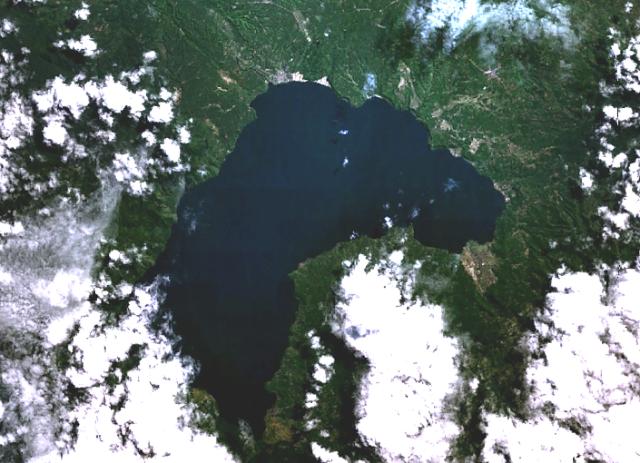
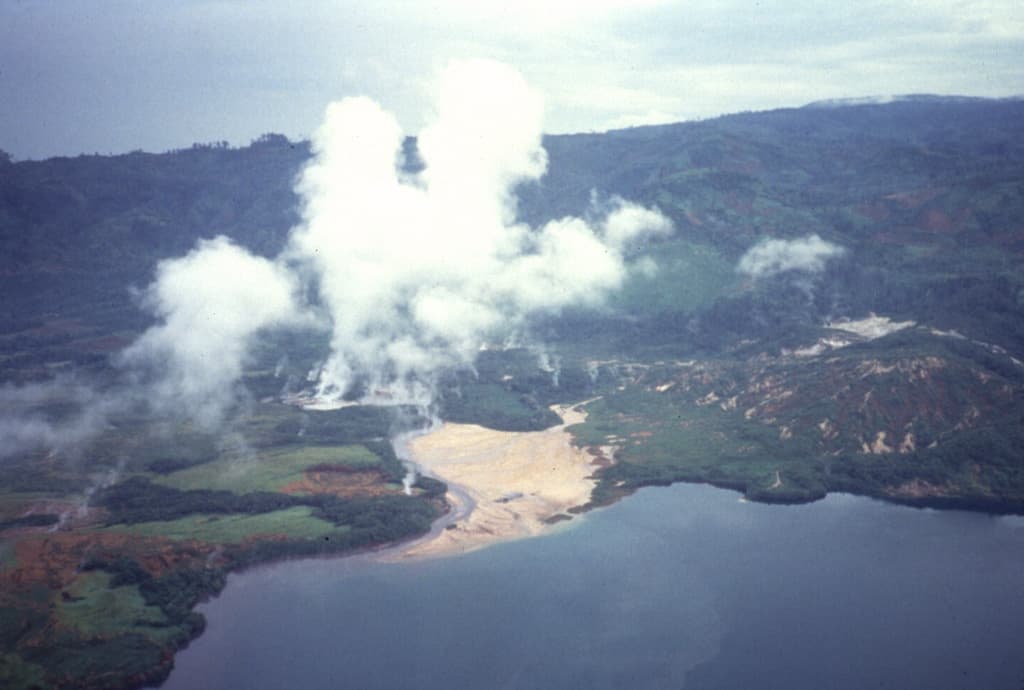
The 8 x 16 km Suoh (or Suwoh) depression appears to have a dominantly tectonic origin, but contains a smaller complex of overlapping calderas oriented NNE-SSW. Historically active maars and silicic domes lie along the margins of the depression, which falls along the Great Sumatran Fault that extends the length of the island. Numerous hot springs occur along faults within the depression, which contains the Pematang Bata fumarole field. Large phreatic explosions (0.2 km2 tephra) occurred at the time of a major tectonic earthquake in 1933. Very minor hydrothermal explosions produced two 5-m-wide craters at the time of a February 1994 earthquake.
— Smithsonian Institution, Global Volcanism Program
2 Recorded Eruptions
| Year | VEI | Type | Area |
|---|---|---|---|
| 2024 | 1 | Confirmed Eruption | Nirwana Crater |
| 1933 | 4 | Confirmed Eruption | Pematang Bata |
Real-Time Data
Frequently Asked Questions About Suoh
Is Suoh an active volcano?+
Yes, Suoh is considered an active volcano. Its most recent eruption was in 2024 CE. The volcano is monitored by geological agencies, and its activity status is based on observed eruptions within recorded history.
When did Suoh last erupt?+
The most recent recorded eruption of Suoh occurred in 2024 CE with a Volcanic Explosivity Index (VEI) of 1. The eruption was classified as a "Confirmed Eruption." Suoh has 2 recorded eruptions in total.
How high is Suoh?+
Suoh has a summit elevation of 1,000 meters (3,281 feet) above sea level. At 1,000 meters, it is a relatively low-elevation volcano.
What type of volcano is Suoh?+
Suoh is classified as a Caldera(s). Caldera(s) volcanoes have distinct geological characteristics that set them apart from other volcanic types.
Where is Suoh located?+
Suoh is located in Indonesia, in the Sunda-Banda Volcanic Regions. More specifically, it lies within the Sunda Volcanic Arc. Its exact coordinates are -5.250° latitude, 104.270° longitude.
Is it safe to visit Suoh?+
Visiting Suoh requires checking current volcanic activity and alert levels. As an active volcano with eruptions as recent as 2024 CE, conditions can change rapidly. Always consult local geological authorities and follow official warnings before visiting. Many active volcanoes have designated safe viewing areas and guided tour options.