About Serdan-Oriental
Serdan-Oriental is a volcanic field rising to 3,485 meters (11,434 feet) in Mexico's Middle America-Caribbean Volcanic Regions. No historical eruptions have been recorded, though the volcano is classified based on geological evidence of past activity.
Geography & Climate
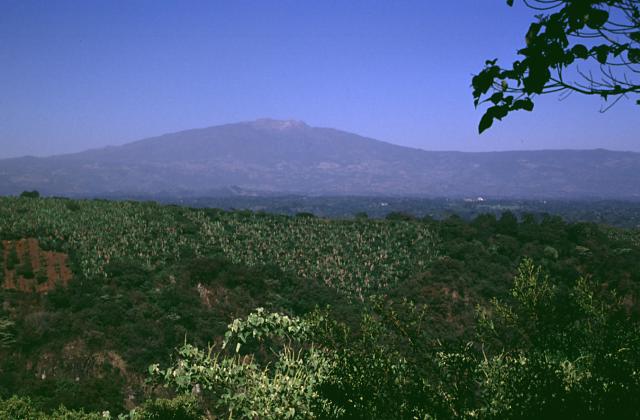
Serdan-Oriental is located in Mexico, within the Trans-Mexican Volcanic Arc of the broader Middle America-Caribbean Volcanic Regions. Situated at 19.27° N, 97.47° W in the Northern Hemisphere, the volcano lies within a tropical climate zone. At 3,485 meters above sea level, Serdan-Oriental rises above the surrounding terrain into montane or subalpine conditions. The elevation creates distinct ecological zones along its flanks, from forested lower slopes to exposed rocky terrain near the summit. The volcanic landform is characterized as a cluster, which describes the physical shape and structure of the volcanic edifice as observed from the surface.
Geological Context
Serdan-Oriental sits in a subduction zone, where one tectonic plate dives beneath another, creating intense heat and pressure that generates magma. Subduction zones are responsible for many of the world's most explosive volcanoes and deadliest eruptions. For communities in Mexico near Serdan-Oriental, this tectonic setting means the volcano is capable of producing powerful explosive eruptions, pyroclastic flows, and lahars that can threaten populated areas within tens of kilometers of the summit. The dominant rock type is rhyolite, a silica-rich volcanic rock associated with highly viscous magma. Rhyolitic eruptions can be extremely explosive and are responsible for some of the largest volcanic events in Earth's history, including supervolcanic caldera-forming eruptions. The high silica content traps dissolved gases, building enormous pressure that can lead to catastrophic explosive releases.
GVP Reference Summary
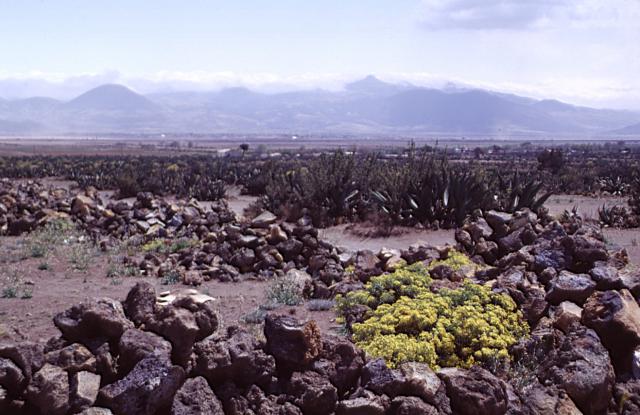
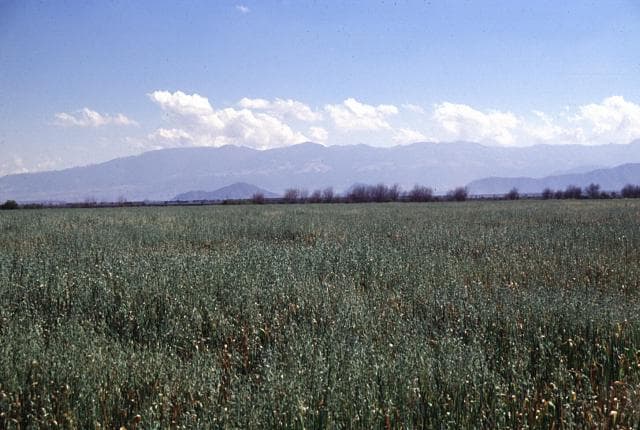
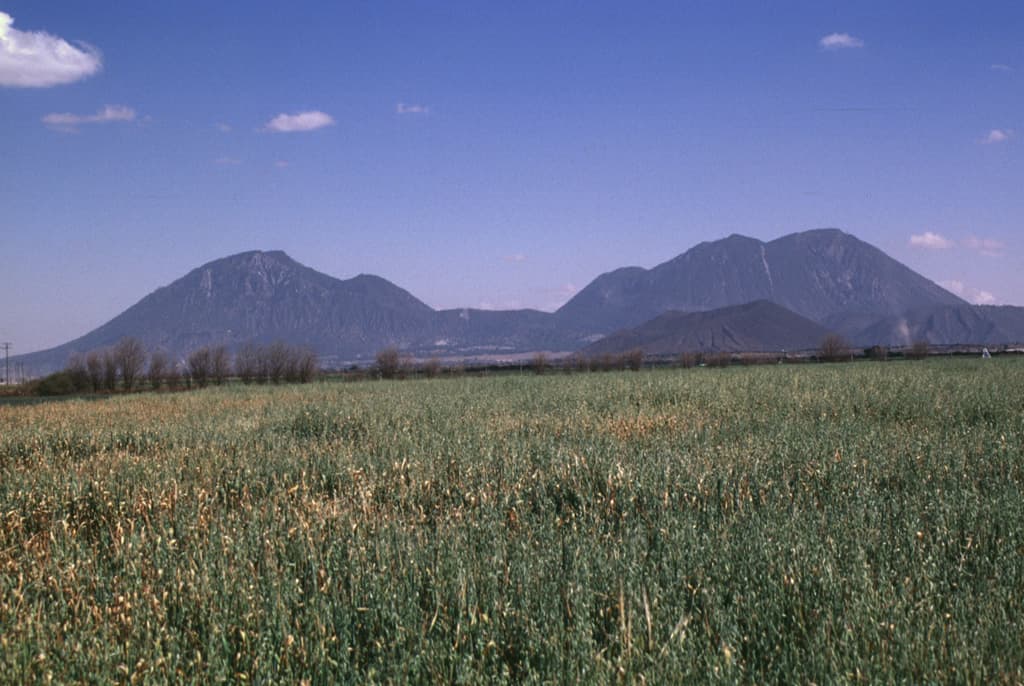
The Serdán-Oriental is a broad closed basin at the eastern end of the Mexican Altiplano with numerous late Pleistocene to Holocene rhyolitic lava domes, tuff cones, tuff rings, lava flows, and scoria cones. The basin, filled by large lakes during the Pleistocene, is bounded by the Cofre de Perote-Orizaba range on the east and Los Humeros caldera to the north. The most prominent features of the volcanic field are the two Las Derrumbadas lava domes surrounded by debris avalanche deposits, and the sharp-peaked Cerro Pizarro lava dome at the northern end of the basin. Several of the tuff rings contain lakes, such as Laguna Atexcac and Laguna Alchichica. A major explosive eruption from a vent inferred to be buried within the basin produced the Quetzalapa Plinian pumice-fall deposit roughly 20,000 years ago.
— Smithsonian Institution, Global Volcanism Program
0 Recorded Eruptions
No eruption records available for Serdan-Oriental.
Real-Time Data
Frequently Asked Questions About Serdan-Oriental
Is Serdan-Oriental an active volcano?+
Serdan-Oriental is classified as active based on credible evidence of past eruptions. Although its last known eruption was in prehistoric times, volcanologists consider it capable of erupting again.
How high is Serdan-Oriental?+
Serdan-Oriental has a summit elevation of 3,485 meters (11,434 feet) above sea level. At 3,485 meters, it is comparable in height to many significant mountain peaks and stands well above the tree line.
What type of volcano is Serdan-Oriental?+
Serdan-Oriental is classified as a Volcanic field. Volcanic fields consist of clusters of small volcanic vents and cinder cones spread across a region. Rather than a single central vent, eruptions can occur at many points across the field.
Where is Serdan-Oriental located?+
Serdan-Oriental is located in Mexico, in the Middle America-Caribbean Volcanic Regions. More specifically, it lies within the Trans-Mexican Volcanic Arc. Its exact coordinates are 19.270° latitude, -97.470° longitude.
Is it safe to visit Serdan-Oriental?+
Serdan-Oriental can generally be visited, but as with any volcano, visitors should check local conditions and any advisory notices before traveling. Mexico may have specific regulations for accessing volcanic areas. Guided tours are often the safest and most informative way to experience a volcano.