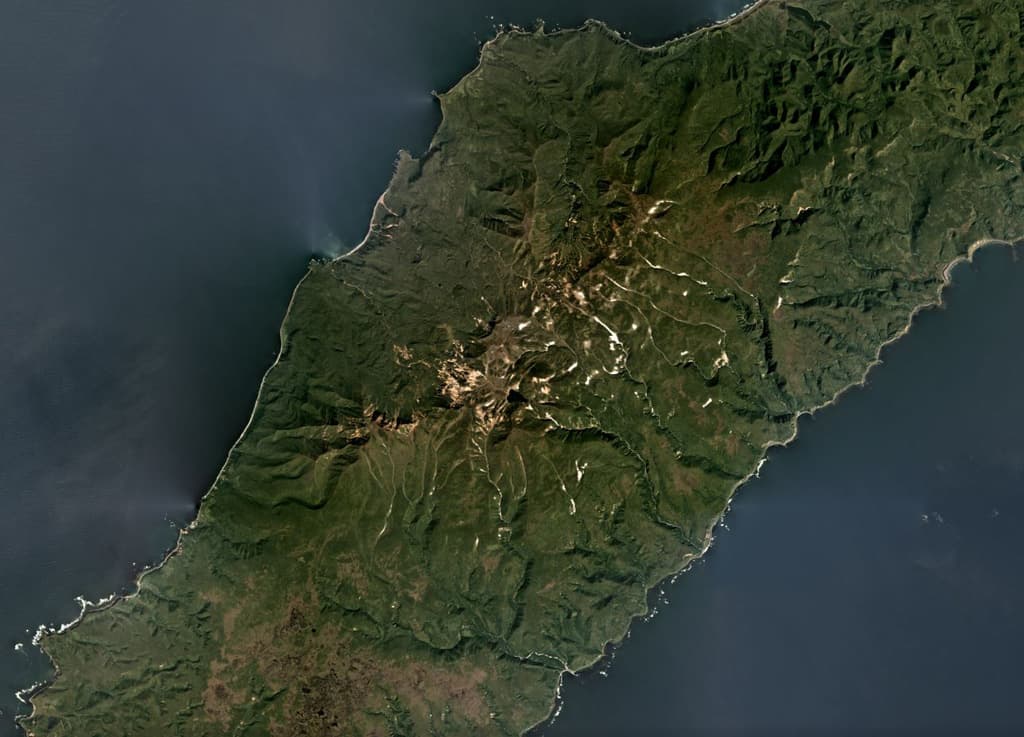
About Ivao Group
Ivao Group is a pyroclastic cone(s) rising to 1,426 meters (4,679 feet) in Russia's Northwestern Pacific Volcanic Regions. No historical eruptions have been recorded, though the volcano is classified based on geological evidence of past activity.
Geography & Climate
Ivao Group is located in Russia, within the Kuril Volcanic Arc of the broader Northwestern Pacific Volcanic Regions. Situated at 45.76° N, 149.68° E in the Northern Hemisphere, the volcano lies within a temperate climate zone. With a summit elevation of 1,426 meters above sea level, Ivao Group is a moderately sized peak that remains accessible to hikers and researchers for much of the year. The volcanic landform is characterized as a cluster, which describes the physical shape and structure of the volcanic edifice as observed from the surface.
Geological Context
Ivao Group sits in a subduction zone, where one tectonic plate dives beneath another, creating intense heat and pressure that generates magma. Subduction zones are responsible for many of the world's most explosive volcanoes and deadliest eruptions. For communities in Russia near Ivao Group, this tectonic setting means the volcano is capable of producing powerful explosive eruptions, pyroclastic flows, and lahars that can threaten populated areas within tens of kilometers of the summit. The dominant rock type is no data (checked), which influences the viscosity of the magma and, consequently, the style of eruptions this volcano produces. Rock chemistry is one of the most important factors in determining whether a volcano erupts explosively or effusively.
GVP Reference Summary
The Ivao group of cones along the Krishtofovich Ridge of SW Urup Island contains several well-preserved cones of Holocene age. The first of a group of three young cones, at the NW end of the chain, is the Ivao cone. The SE-most cone bisects a glacial valley, forming Lake Ivao. The elongated central cone, Krutaya Mountain, is the youngest, and produced a viscous lava flow that traveled to the east.
— Smithsonian Institution, Global Volcanism Program
0 Recorded Eruptions
No eruption records available for Ivao Group.
Real-Time Data
Frequently Asked Questions About Ivao Group
Is Ivao Group an active volcano?+
Ivao Group is classified as active based on credible evidence of past eruptions. Although its last known eruption was in prehistoric times, volcanologists consider it capable of erupting again.
How high is Ivao Group?+
Ivao Group has a summit elevation of 1,426 meters (4,679 feet) above sea level. At 1,426 meters, it is a moderately sized volcanic peak, roughly comparable to Mount Vesuvius (1,281m).
What type of volcano is Ivao Group?+
Ivao Group is classified as a Pyroclastic cone(s). Pyroclastic cones (or cinder cones) are small, steep-sided volcanic cones built from fragments of lava blasted into the air. They are the simplest type of volcano and often form in groups.
Where is Ivao Group located?+
Ivao Group is located in Russia, in the Northwestern Pacific Volcanic Regions. More specifically, it lies within the Kuril Volcanic Arc. Its exact coordinates are 45.759° latitude, 149.676° longitude.
Is it safe to visit Ivao Group?+
Ivao Group can generally be visited, but as with any volcano, visitors should check local conditions and any advisory notices before traveling. Russia may have specific regulations for accessing volcanic areas. Guided tours are often the safest and most informative way to experience a volcano.


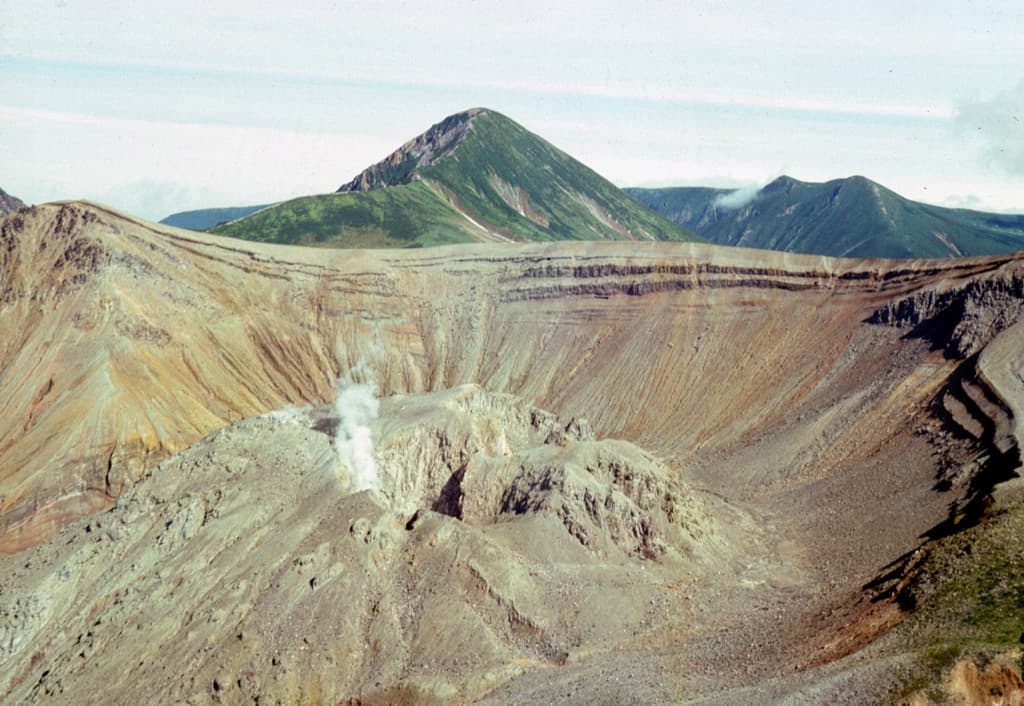
![Rakkibetsudake [Demon]](/_next/image?url=https%3A%2F%2Fupload.wikimedia.org%2Fwikipedia%2Fcommons%2Fthumb%2F4%2F4d%2FDemon_Drop_at_Cedar_Point.jpg%2F960px-Demon_Drop_at_Cedar_Point.jpg&w=1600&q=75)