About Valles Caldera
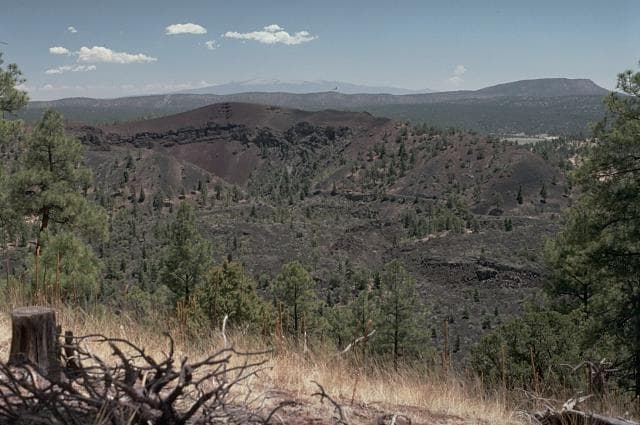
Valles Caldera is a caldera rising to 3,441 meters (11,290 feet) in United States's North America Volcanic Regions. No historical eruptions have been recorded, though the volcano is classified based on geological evidence of past activity.
Geography & Climate
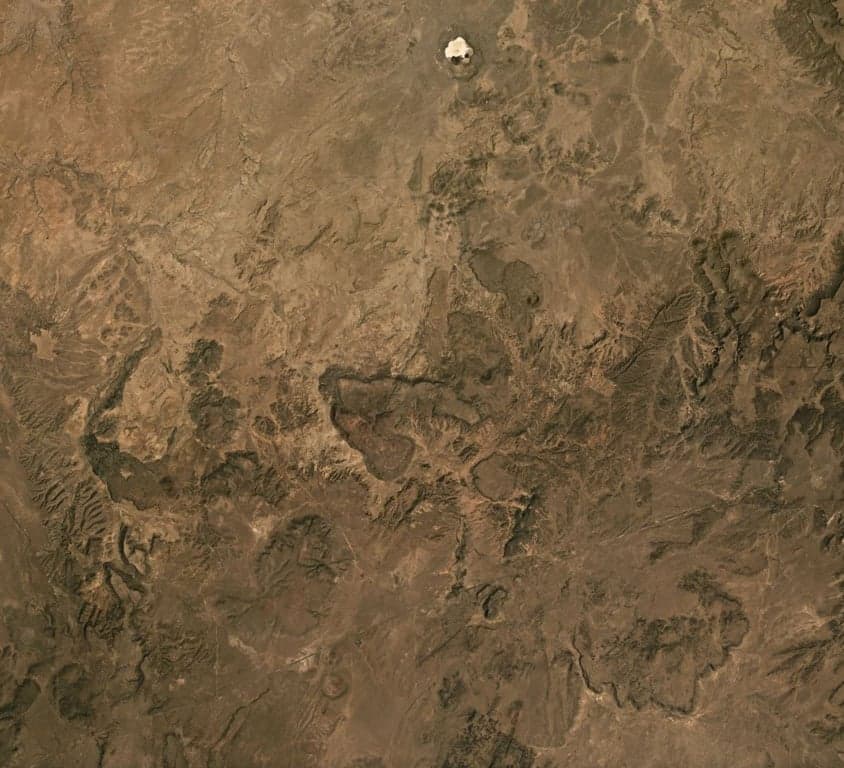
Valles Caldera is located in United States, within the Basin and Range Volcanic Province of the broader North America Volcanic Regions. Situated at 35.91° N, 106.52° W in the Northern Hemisphere, the volcano lies within a temperate climate zone. At 3,441 meters above sea level, Valles Caldera rises above the surrounding terrain into montane or subalpine conditions. The elevation creates distinct ecological zones along its flanks, from forested lower slopes to exposed rocky terrain near the summit. The volcanic landform is characterized as a caldera, which describes the physical shape and structure of the volcanic edifice as observed from the surface.
GVP Reference Summary
The 22-km-wide Valles Caldera was formed as a result of two large-volume eruptions that created the widespread Bandelier Tuff ignimbrite plateaus on all sides of the caldera. The lower member of the Bandelier Tuff, the Otawi, was emplaced about 1.7 million years ago (Ma) and resulted in the formation of most of the present-day caldera, including the Toledo embayment at the NE side. The upper member, the Tshirege, is dated about 1.2 Ma, and also deposited voluminous welded pyroclastic flows over about the same area as the Otawi. Post-caldera volcanism has included the emplacement of multiple ring-fracture lava domes and uplift of the caldera floor, forming the Redondo Peak resurgent dome. The El Cajete Pumice, Battleship Rock Ignimbrite, Banco Bonito Rhyolite, and the VC-1 Rhyolite were emplaced during the latest eruption, about 50,000-60,000 years ago. Seismic investigations show that a low-velocity zone lies beneath the caldera, and an active geothermal system with hot springs and fumaroles exists today.
— Smithsonian Institution, Global Volcanism Program
0 Recorded Eruptions
No eruption records available for Valles Caldera.
Real-Time Data
Frequently Asked Questions About Valles Caldera
Is Valles Caldera an active volcano?+
Valles Caldera is not currently classified as active. Its activity evidence is listed as "unknown." No recorded eruptions have been documented. However, no volcano is ever considered permanently extinct.
How high is Valles Caldera?+
Valles Caldera has a summit elevation of 3,441 meters (11,290 feet) above sea level. At 3,441 meters, it is comparable in height to many significant mountain peaks and stands well above the tree line.
What type of volcano is Valles Caldera?+
Valles Caldera is classified as a Caldera. Calderas are large volcanic depressions formed when a volcano erupts so powerfully that its magma chamber collapses, creating a basin that can be kilometers wide. They are often sites of some of Earth's largest eruptions.
Where is Valles Caldera located?+
Valles Caldera is located in United States, in the North America Volcanic Regions. More specifically, it lies within the Basin and Range Volcanic Province. Its exact coordinates are 35.908° latitude, -106.517° longitude.
Is it safe to visit Valles Caldera?+
Valles Caldera can generally be visited, but as with any volcano, visitors should check local conditions and any advisory notices before traveling. United States may have specific regulations for accessing volcanic areas. Guided tours are often the safest and most informative way to experience a volcano.