About Omanago Group
Omanago Group is a lava dome(s) rising to 2,341 meters (7,681 feet) in Japan's Northwestern Pacific Volcanic Regions. The volcano is currently active, with its most recent eruption in 3050 BCE. The volcano has produced 1 recorded eruption.
Geography & Climate
Omanago Group is located in Japan, within the Northeast Japan Volcanic Arc of the broader Northwestern Pacific Volcanic Regions. Situated at 36.81° N, 139.48° E in the Northern Hemisphere, the volcano lies within a temperate climate zone. At 2,341 meters above sea level, Omanago Group rises above the surrounding terrain into montane or subalpine conditions. The elevation creates distinct ecological zones along its flanks, from forested lower slopes to exposed rocky terrain near the summit. The volcanic landform is characterized as a cluster, which describes the physical shape and structure of the volcanic edifice as observed from the surface.
Geological Context
Omanago Group sits in a subduction zone, where one tectonic plate dives beneath another, creating intense heat and pressure that generates magma. Subduction zones are responsible for many of the world's most explosive volcanoes and deadliest eruptions. For communities in Japan near Omanago Group, this tectonic setting means the volcano is capable of producing powerful explosive eruptions, pyroclastic flows, and lahars that can threaten populated areas within tens of kilometers of the summit. The dominant rock type is dacite, an intermediate to silica-rich volcanic rock. This composition typically produces more viscous magma, leading to more explosive eruptions with ash columns and pyroclastic flows. Andesitic and dacitic magmas build pressure before erupting, which is why volcanoes with this rock chemistry are often associated with Plinian-style eruptions that can send ash tens of kilometers into the atmosphere and disrupt aviation across entire regions.
Eruption History Summary
Omanago Group has 1 recorded eruption in the geological database, spanning from 3050 BCE to 3050 BCE.
GVP Reference Summary
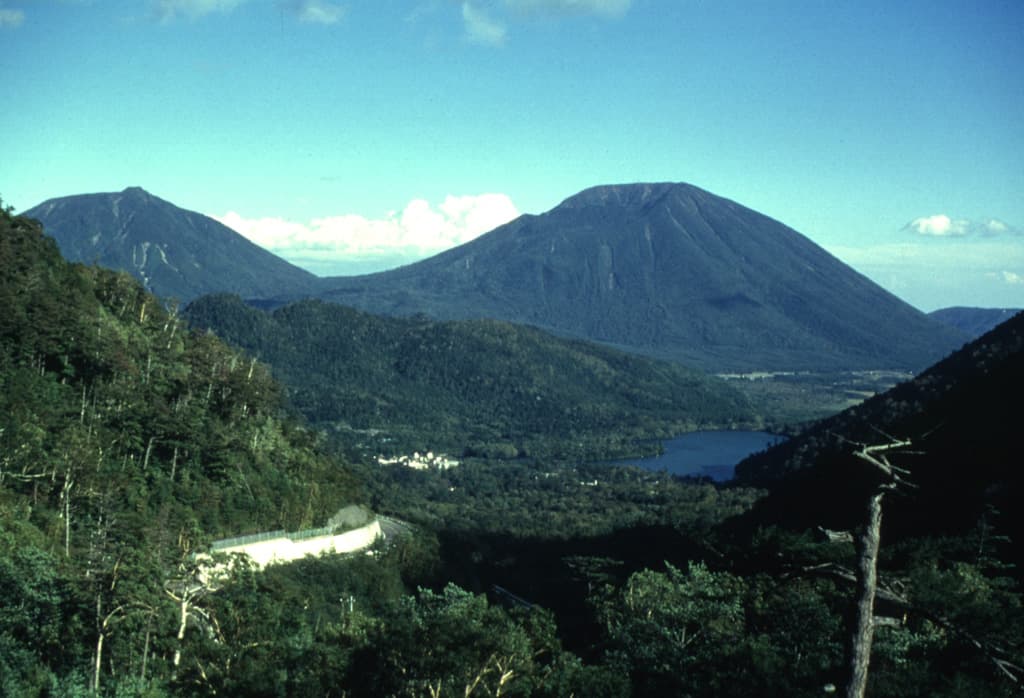
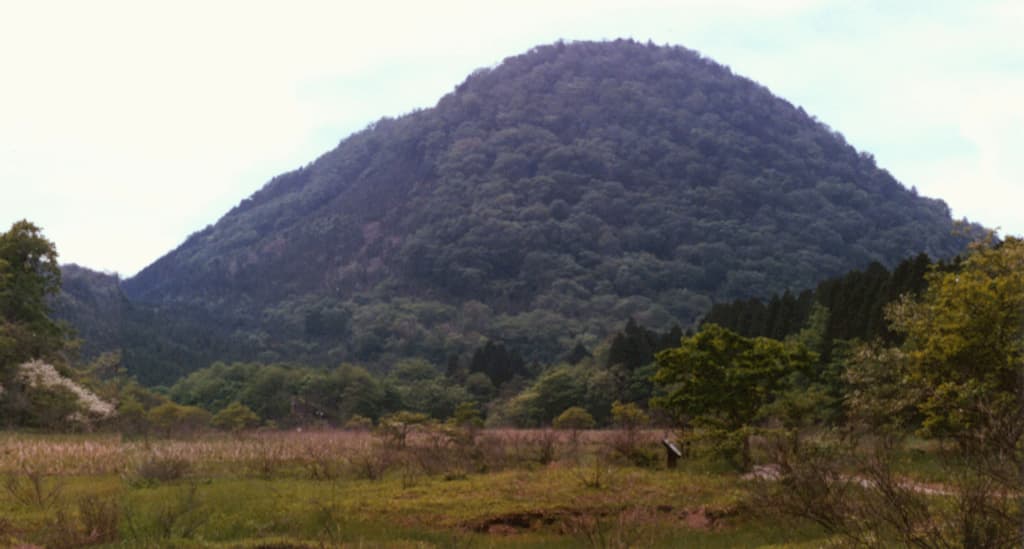
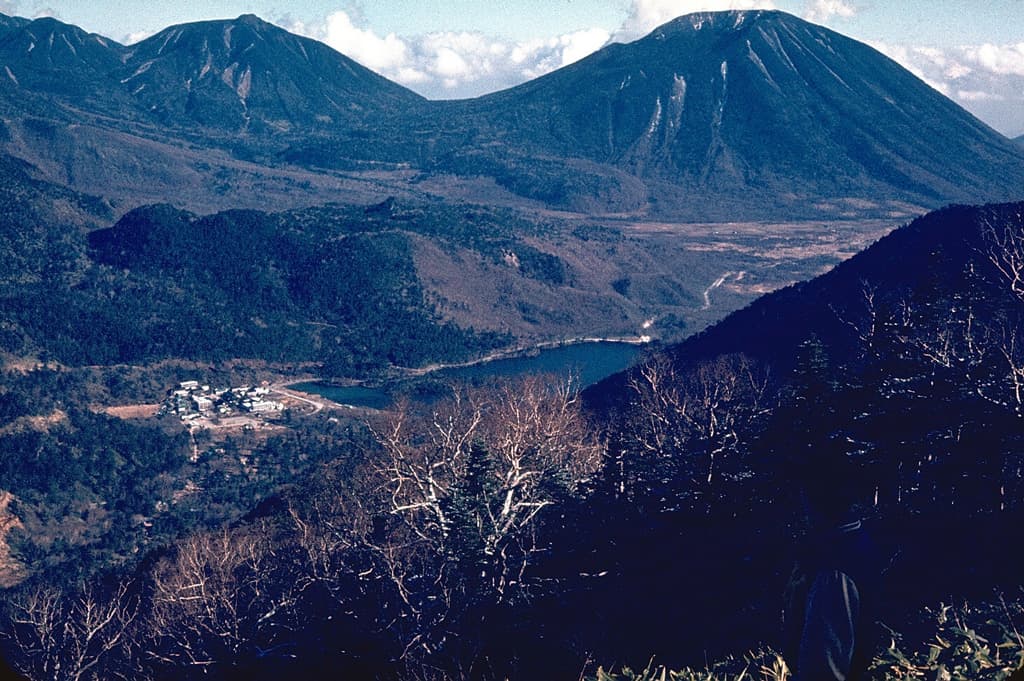
The Omanago volcano group consists of a series of five closely spaced lava domes that were constructed north and NW of Nantai volcano in Nikko National Park. The highest of the dacitic domes is Omanago, which later erupted andesitic lavas. The Mitsudake dome, which overlooks the hot spring resort of Lake Yunoko, was radiocarbon dated at about 5,000 years ago. Mitsudake was constructed on a southerly dipping slope, so that the southern of its two flat-topped domes is lower, and is overlapped by sediments of the Senjogahara plain.
— Smithsonian Institution, Global Volcanism Program
1 Recorded Eruption
| Year | VEI | Type | Area |
|---|---|---|---|
| 3050 BCE | — | Confirmed Eruption | Mitsu-dake |
Real-Time Data
Frequently Asked Questions About Omanago Group
Is Omanago Group an active volcano?+
Omanago Group is not currently classified as active. Its activity evidence is listed as "Eruption Dated." The last known eruption was in 3050 BCE. However, no volcano is ever considered permanently extinct.
When did Omanago Group last erupt?+
The most recent recorded eruption of Omanago Group occurred in 3050 BCE. The eruption was classified as a "Confirmed Eruption." Omanago Group has 1 recorded eruption in total.
How high is Omanago Group?+
Omanago Group has a summit elevation of 2,341 meters (7,681 feet) above sea level. At 2,341 meters, it is comparable in height to many significant mountain peaks and stands well above the tree line.
What type of volcano is Omanago Group?+
Omanago Group is classified as a Lava dome(s). Lava domes are mounds of viscous lava that pile up around a volcanic vent. They grow by expansion from within and can collapse to produce dangerous pyroclastic flows.
Where is Omanago Group located?+
Omanago Group is located in Japan, in the Northwestern Pacific Volcanic Regions. More specifically, it lies within the Northeast Japan Volcanic Arc. Its exact coordinates are 36.807° latitude, 139.476° longitude.
Is it safe to visit Omanago Group?+
Omanago Group can generally be visited, but as with any volcano, visitors should check local conditions and any advisory notices before traveling. Japan may have specific regulations for accessing volcanic areas. Guided tours are often the safest and most informative way to experience a volcano.