About Hiuchigatake
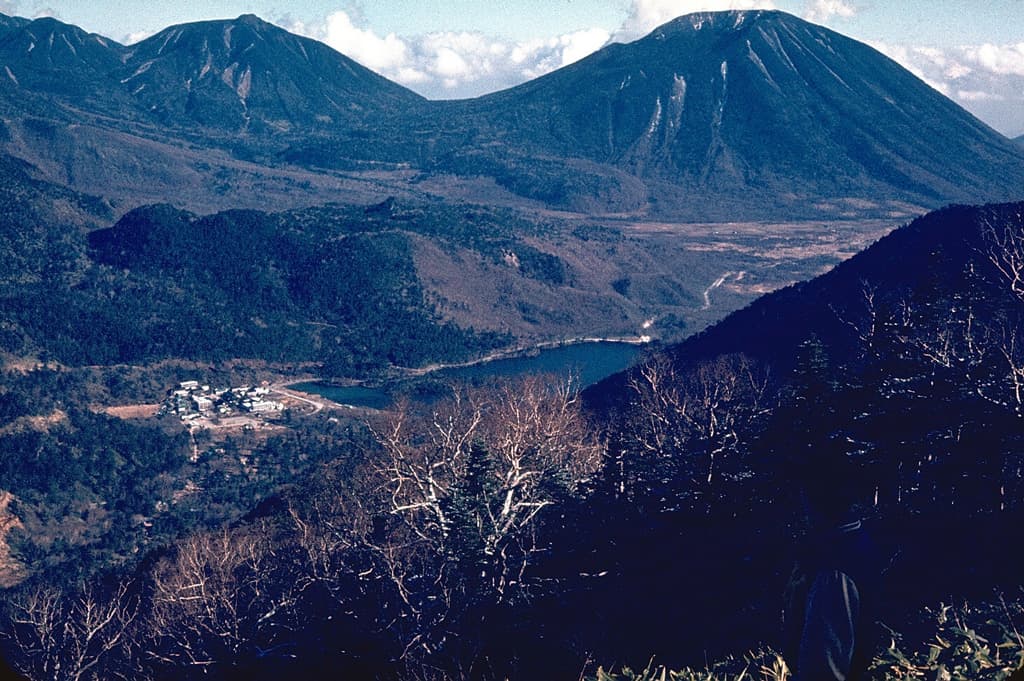
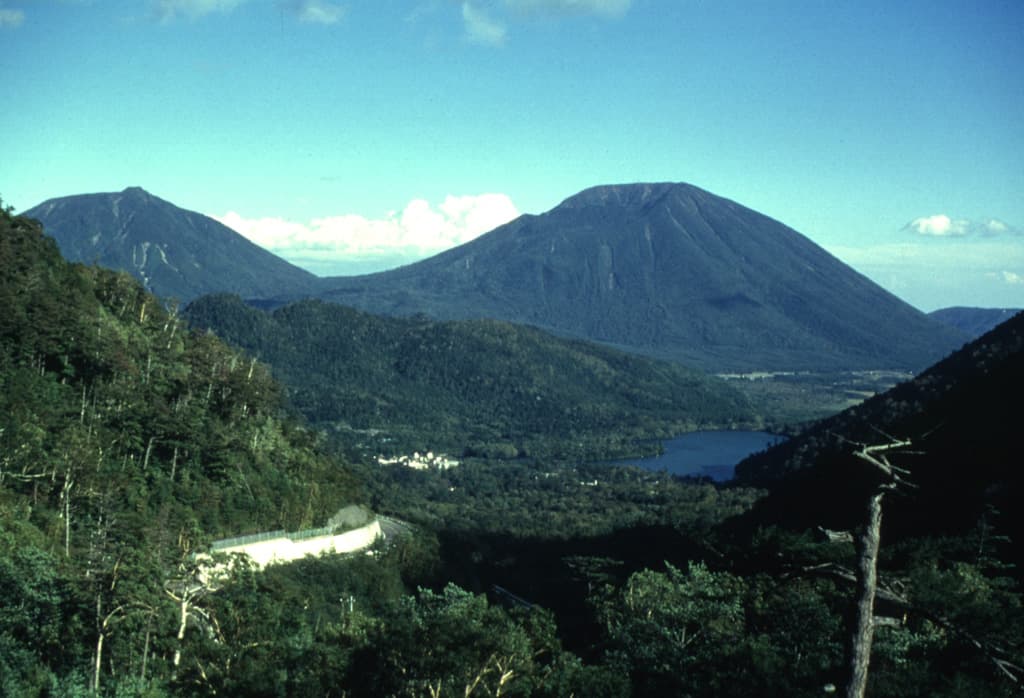
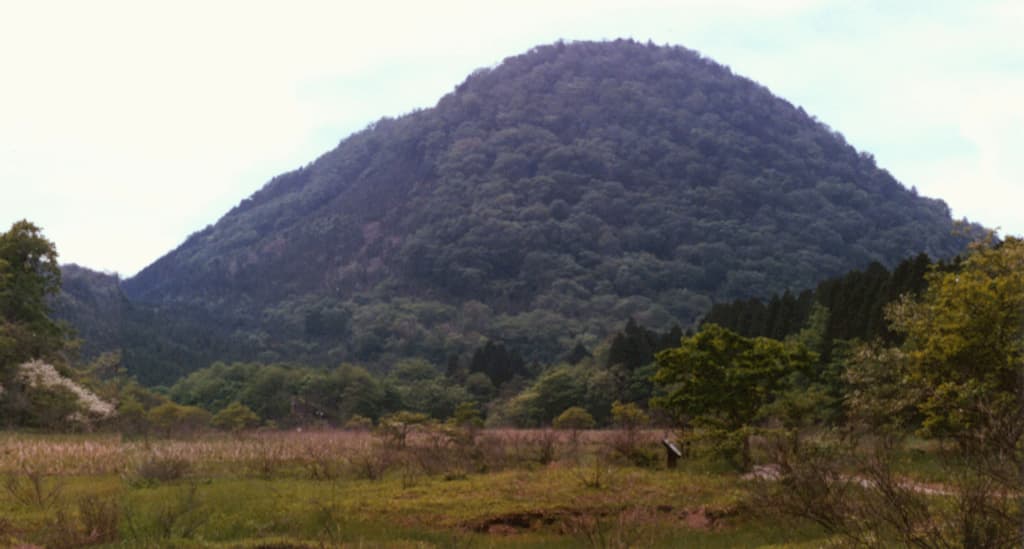
Hiuchigatake is a stratovolcano rising to 2,356 meters (7,730 feet) in Japan's Northwestern Pacific Volcanic Regions. Its last known eruption was in 1544 CE. The volcano has produced 2 recorded eruptions, with a maximum Volcanic Explosivity Index (VEI) of 2.
Geography & Climate
Hiuchigatake is located in Japan, within the Northeast Japan Volcanic Arc of the broader Northwestern Pacific Volcanic Regions. Situated at 36.95° N, 139.28° E in the Northern Hemisphere, the volcano lies within a temperate climate zone. At 2,356 meters above sea level, Hiuchigatake rises above the surrounding terrain into montane or subalpine conditions. The elevation creates distinct ecological zones along its flanks, from forested lower slopes to exposed rocky terrain near the summit. The volcanic landform is characterized as a composite, which describes the physical shape and structure of the volcanic edifice as observed from the surface.
Geological Context
Hiuchigatake sits in a subduction zone, where one tectonic plate dives beneath another, creating intense heat and pressure that generates magma. Subduction zones are responsible for many of the world's most explosive volcanoes and deadliest eruptions. For communities in Japan near Hiuchigatake, this tectonic setting means the volcano is capable of producing powerful explosive eruptions, pyroclastic flows, and lahars that can threaten populated areas within tens of kilometers of the summit. The dominant rock type is andesite / basaltic andesite, a dark, fine-grained volcanic rock that forms from rapidly cooling, low-viscosity lava. Basaltic eruptions tend to be less explosive and produce fluid lava flows that can travel long distances. While less immediately dangerous than explosive eruptions, basaltic lava flows can destroy structures and infrastructure in their path, and volcanic gases released during these eruptions can affect air quality over a wide area.
Eruption History Summary
Hiuchigatake has 2 recorded eruptions in the geological database, spanning from 6050 BCE to 1544 CE. The most powerful recorded event was an explosive event producing ash plumes up to several kilometers in 1544 CE, reaching VEI 2 on the Volcanic Explosivity Index. These eruptions span roughly 7,594 years of volcanic history.
GVP Reference Summary
Hiuchigatake volcano lies in Nikko National Park and erupted the 8 km3 Hiuchigatake-Nanairi tephra and pyroclastic flow deposit about 170,00-160,000 years ago. Two lava domes at the southern end of the summit overlook Ozenuma lake, a popular hiking destination in the national park. The southern of the two domes, Akanagure, produced a series of viscous lava flows about 3500 years ago that extend to the S and W flanks. The northern dome, Miike, was the source of a tephra layer correlated with a report of historical activity in 1544 (Hayakawa, 1994b).
— Smithsonian Institution, Global Volcanism Program
2 Recorded Eruptions
| Year | VEI | Type | Area |
|---|---|---|---|
| 1544 | 2 | Confirmed Eruption | Miike-dake lava dome |
| 6050 BCE | — | Confirmed Eruption | Akanagure lava dome |
Real-Time Data
Frequently Asked Questions About Hiuchigatake
Is Hiuchigatake an active volcano?+
Hiuchigatake is classified as active based on credible evidence of past eruptions. Although its last known eruption was in 1544 CE, volcanologists consider it capable of erupting again.
When did Hiuchigatake last erupt?+
The most recent recorded eruption of Hiuchigatake occurred in 1544 CE with a Volcanic Explosivity Index (VEI) of 2. The eruption was classified as a "Confirmed Eruption." Hiuchigatake has 2 recorded eruptions in total.
How high is Hiuchigatake?+
Hiuchigatake has a summit elevation of 2,356 meters (7,730 feet) above sea level. At 2,356 meters, it is comparable in height to many significant mountain peaks and stands well above the tree line.
What type of volcano is Hiuchigatake?+
Hiuchigatake is classified as a Stratovolcano. Stratovolcanoes (also called composite volcanoes) are steep, conical volcanoes built up by many layers of hardened lava, tephra, and volcanic ash. They are among the most common and dangerous types, known for explosive eruptions.
Where is Hiuchigatake located?+
Hiuchigatake is located in Japan, in the Northwestern Pacific Volcanic Regions. More specifically, it lies within the Northeast Japan Volcanic Arc. Its exact coordinates are 36.955° latitude, 139.285° longitude.
Is it safe to visit Hiuchigatake?+
Hiuchigatake can generally be visited, but as with any volcano, visitors should check local conditions and any advisory notices before traveling. Japan may have specific regulations for accessing volcanic areas. Guided tours are often the safest and most informative way to experience a volcano.