Southern EPR at 17.5°S (Segment K)
Fissure vent(s) · -2,566m · Undersea Features
About Southern EPR at 17.5°S (Segment K)
Southern EPR at 17.5°S (Segment K) is a fissure vent(s) rising to -2,566 meters (-8,419 feet) in Undersea Features's Southern Pacific Volcanic Regions. It last erupted in 1990 CE, and volcanologists consider it an active volcanic system. The volcano has produced 5 recorded eruptions.
Geography & Climate
Southern EPR at 17.5°S (Segment K) is located in Undersea Features, within the Southern East Pacific Rise Volcanic Province of the broader Southern Pacific Volcanic Regions. Situated at 17.44° S, 113.21° W in the Southern Hemisphere, the volcano lies within a tropical climate zone. With an elevation of -2,566 meters — below sea level — Southern EPR at 17.5°S (Segment K) is a submarine or submerged volcanic feature. Submarine volcanoes make up the majority of Earth's volcanic activity, though most eruptions go unobserved beneath the ocean surface. The volcanic landform is characterized as a cluster, which describes the physical shape and structure of the volcanic edifice as observed from the surface.
Geological Context
Southern EPR at 17.5°S (Segment K) is situated along a rift zone, where tectonic plates are pulling apart. As the crust thins and fractures, magma rises to fill the gap, creating volcanic activity. Rift volcanism typically produces more fluid lava flows rather than explosive blasts, which means communities near Southern EPR at 17.5°S (Segment K) in Undersea Features generally face slower-moving hazards like lava flows and ground fissures rather than sudden pyroclastic events. However, rift volcanoes can still generate significant ash emissions and gas releases that affect local air quality. The dominant rock type is basalt / picro-basalt, a dark, fine-grained volcanic rock that forms from rapidly cooling, low-viscosity lava. Basaltic eruptions tend to be less explosive and produce fluid lava flows that can travel long distances. While less immediately dangerous than explosive eruptions, basaltic lava flows can destroy structures and infrastructure in their path, and volcanic gases released during these eruptions can affect air quality over a wide area.
Eruption History Summary
Southern EPR at 17.5°S (Segment K) has 5 recorded eruptions in the geological database, spanning from 1625 CE to 1990 CE. This eruption frequency indicates a moderately active volcanic system with periodic reawakenings. The most recent eruption in 1990 CE places this volcano within the modern era of volcanological observation.
Significance
With 5 recorded eruptions on file, Southern EPR at 17.5°S (Segment K) has enough documented activity to help scientists identify patterns in its eruptive behavior. Given its recent activity, Southern EPR at 17.5°S (Segment K) is closely monitored by geological survey organizations to provide early warning of future unrest.
GVP Reference Summary
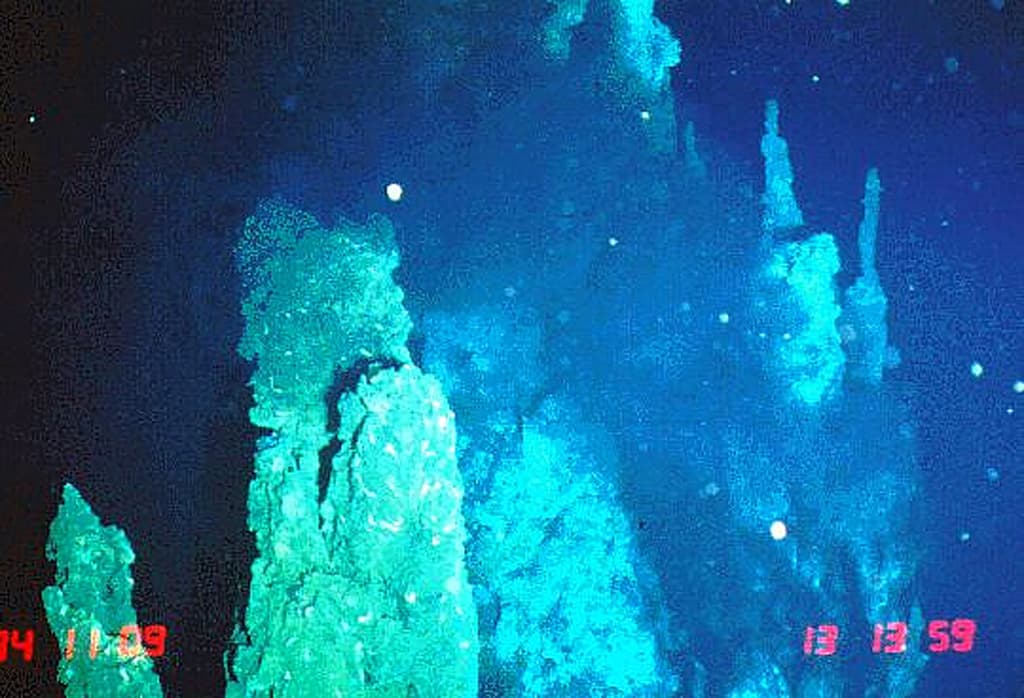
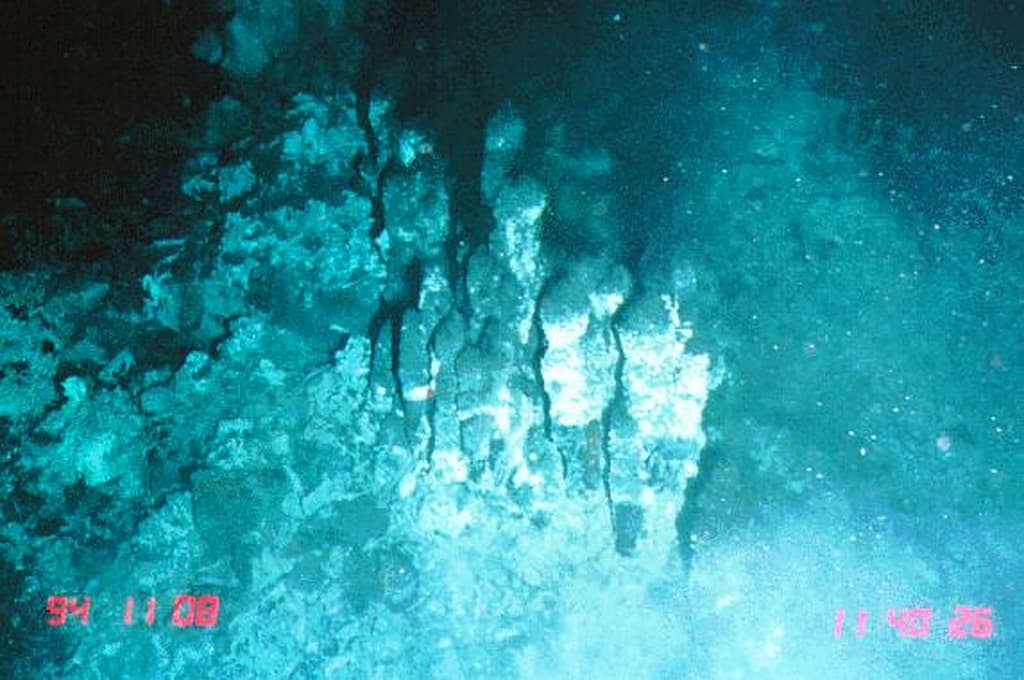
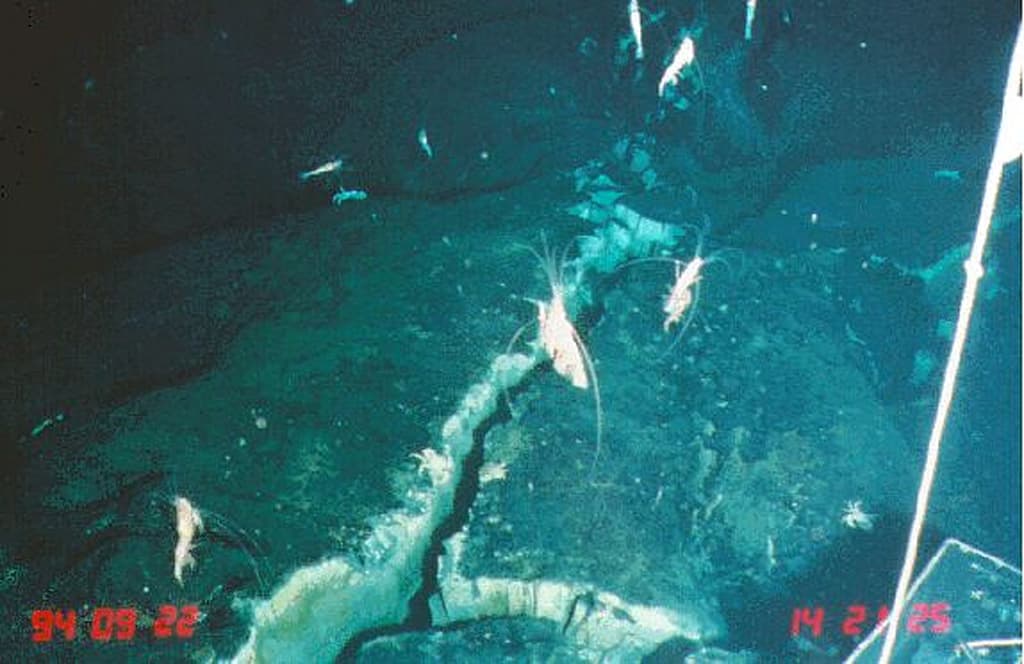
Lava flows from a very recent eruption were observed in 1994 along segment K of the southern East Pacific Rise. This segment of the mid-ocean ridge north of the Easter microplate displays the broadest cross-sectional area and the shallowest depth (2,566 m) of the southern East Pacific Rise between 13°40' and 18°30'S. Glassy, unsedimented lava flows on the 17.5°S segment of the East Pacific Rise were considered, from biological observations and chemical analyses of the plume and vent fluids, to have been erupted within 2-3 years of a November-December 1993 plume survey. Lava was erupted along two segments, a 4-km-long flow at the southern site and a 5-10 km flow at the northern site. Numerous low- and high-temperature hydrothermal vents are active along this segment of the ridge.
— Smithsonian Institution, Global Volcanism Program
5 Recorded Eruptions
How Southern EPR at 17.5°S (Segment K)'s 5 size-rated eruptions break down by Volcanic Explosivity Index. Select a bar to see what that size means.
Effusive — gentle lava flows with little to no explosion.
Of Southern EPR at 17.5°S (Segment K)'s 5 size-rated eruptions on record, the most common was VEI 0 (5 of 5, 100%). It is overwhelmingly effusive, erupting gently at nearly the same small size again and again — classic shield-building behaviour. No eruption on record exceeded VEI 0.
Based on the Smithsonian GVP eruption record. This describes Southern EPR at 17.5°S (Segment K)'s past eruptions only — it does not predict future activity. What is the VEI? · Most explosive volcanoes
| Year | VEI | Type | Area |
|---|---|---|---|
| 1990 | 0 | Confirmed Eruption | — |
| 1965 | 0 | Confirmed Eruption | South of Aldo-Kihi lava flow |
| 1930 | 0 | Confirmed Eruption | North of Aldo-Kiri lava flow |
| 1840 | 0 | Confirmed Eruption | North of Aldo-Kiri lava flow |
| 1625 | 0 | Confirmed Eruption | South of Aldo-Kihi lava flow |
Real-Time Data
Frequently Asked Questions About Southern EPR at 17.5°S (Segment K)
Is Southern EPR at 17.5°S (Segment K) an active volcano?+
Yes, Southern EPR at 17.5°S (Segment K) is considered an active volcano. Its most recent eruption was in 1990 CE. The volcano is monitored by geological agencies, and its activity status is based on observed eruptions within recorded history.
When did Southern EPR at 17.5°S (Segment K) last erupt?+
The most recent recorded eruption of Southern EPR at 17.5°S (Segment K) occurred in 1990 CE with a Volcanic Explosivity Index (VEI) of 0. The eruption was classified as a "Confirmed Eruption." Southern EPR at 17.5°S (Segment K) has 5 recorded eruptions in total.
How high is Southern EPR at 17.5°S (Segment K)?+
Southern EPR at 17.5°S (Segment K) has a summit elevation of -2,566 meters (-8,419 feet) above sea level. With an elevation of -2,566 meters (below sea level), this is a submarine or submerged volcanic feature.
What type of volcano is Southern EPR at 17.5°S (Segment K)?+
Southern EPR at 17.5°S (Segment K) is classified as a Fissure vent(s). Fissure vent(s) volcanoes have distinct geological characteristics that set them apart from other volcanic types.
Where is Southern EPR at 17.5°S (Segment K) located?+
Southern EPR at 17.5°S (Segment K) is located in Undersea Features, in the Southern Pacific Volcanic Regions. More specifically, it lies within the Southern East Pacific Rise Volcanic Province. Its exact coordinates are -17.436° latitude, -113.206° longitude.
Is it safe to visit Southern EPR at 17.5°S (Segment K)?+
Visiting Southern EPR at 17.5°S (Segment K) requires checking current volcanic activity and alert levels. As an active volcano with eruptions as recent as 1990 CE, conditions can change rapidly. Always consult local geological authorities and follow official warnings before visiting. Many active volcanoes have designated safe viewing areas and guided tour options.