About San Luis, Isla
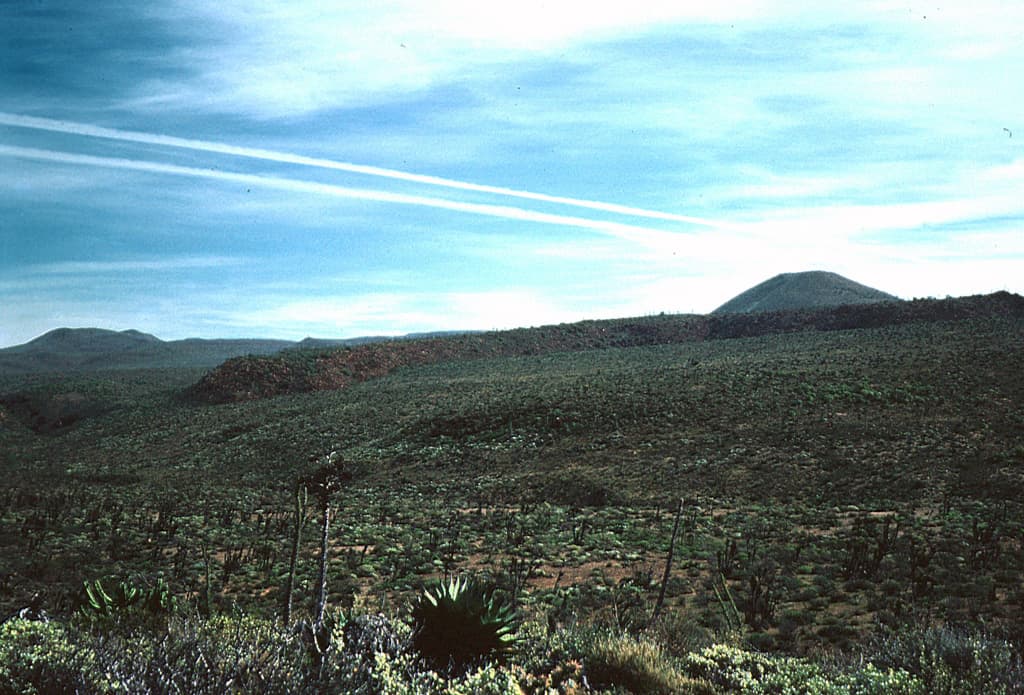
San Luis, Isla is a tuff cone rising to 183 meters (600 feet) in Mexico's Eastern Pacific Volcanic Regions. Its last known eruption dates to 1141 BCE, in prehistoric times. The volcano has produced 3 recorded eruptions.
Geography & Climate
San Luis, Isla is located in Mexico, within the Gulf of California Rift Volcanic Province of the broader Eastern Pacific Volcanic Regions. Situated at 29.97° N, 114.41° W in the Northern Hemisphere, the volcano lies within a subtropical climate zone. At just 183 meters above sea level, San Luis, Isla is a relatively low-elevation volcanic feature. Despite its modest height, it remains an active geological formation with the same underlying magmatic processes as its taller counterparts. The volcanic landform is characterized as a minor (silicic), which describes the physical shape and structure of the volcanic edifice as observed from the surface.
Geological Context
San Luis, Isla is situated along a rift zone, where tectonic plates are pulling apart. As the crust thins and fractures, magma rises to fill the gap, creating volcanic activity. Rift volcanism typically produces more fluid lava flows rather than explosive blasts, which means communities near San Luis, Isla in Mexico generally face slower-moving hazards like lava flows and ground fissures rather than sudden pyroclastic events. However, rift volcanoes can still generate significant ash emissions and gas releases that affect local air quality. The dominant rock type is rhyolite, a silica-rich volcanic rock associated with highly viscous magma. Rhyolitic eruptions can be extremely explosive and are responsible for some of the largest volcanic events in Earth's history, including supervolcanic caldera-forming eruptions. The high silica content traps dissolved gases, building enormous pressure that can lead to catastrophic explosive releases.
Eruption History Summary
San Luis, Isla has 3 recorded eruptions in the geological database, spanning from 2647 BCE to 1141 BCE. These eruptions span roughly 1,506 years of volcanic history.
GVP Reference Summary
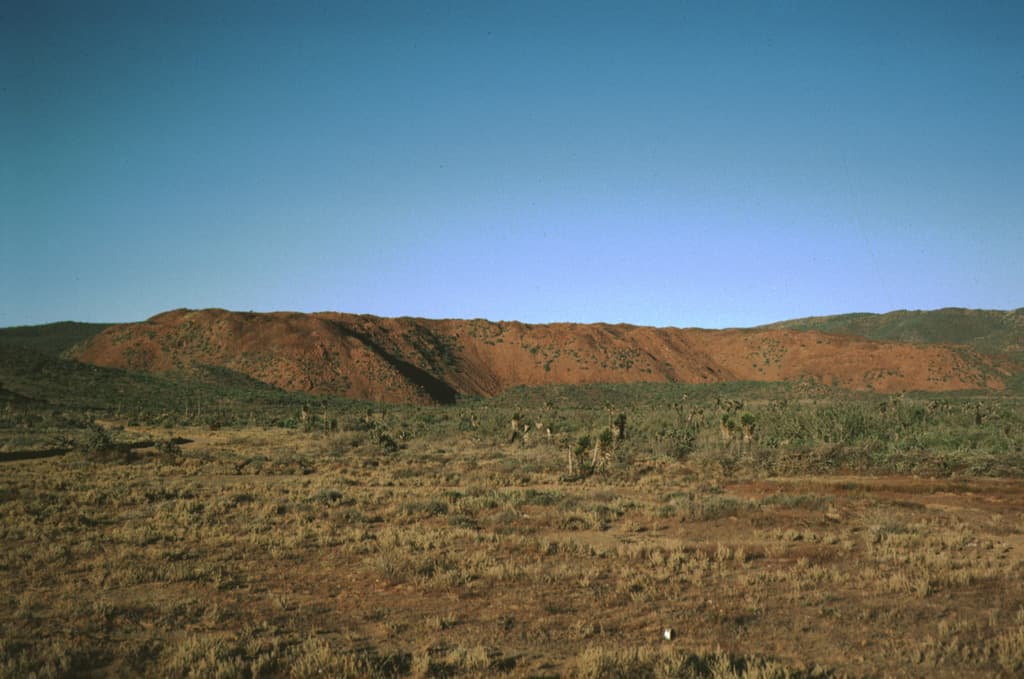
Isla San Luis is the largest of the seven Encantada islands at the NW end of the Guaymas lineament in the northern part of the Gulf of California. The 4.5 km2 island (also known as La Encantada Mayor, or Salvatierra) is located 3 km off the eastern shore of Baja California north of Punta Bufeo, and has an irregular shoreline with a narrow peninsula forming its SW tip. Initial basaltic andesite and andesitic submarine eruptions producing palagonite tuffs were followed by effusion of subaerial dacitic lava flows and the formation of dacitic tuff rings. The latest eruptions formed two rhyolitic obsidian domes, the younger in a tuff cone at the center of the island and at the older at the NW tip of the island. In their detailed study of the island, Paz Moreno and Demant (1999) did not specifically suggest Holocene activity, but noted that the "well-preserved morphology of the volcanic structures clearly support a late Quaternary age for all the eruptive activity" and that the northern lava dome may have been emplaced during the 110-130 ka interglacial period. Hausback aet al. (2003) 14C dated marine mollusk shells associated with three eruptions in the last 5,000 years.
— Smithsonian Institution, Global Volcanism Program
3 Recorded Eruptions
| Year | VEI | Type | Area |
|---|---|---|---|
| 1141 BCE | — | Confirmed Eruption | Central rhyolite domes |
| 1212 BCE | — | Confirmed Eruption | NW beach cliffs |
| 2647 BCE | — | Confirmed Eruption | — |
Real-Time Data
Frequently Asked Questions About San Luis, Isla
Is San Luis, Isla an active volcano?+
San Luis, Isla is classified as active based on credible evidence of past eruptions. Although its last known eruption was in 1141 BCE, volcanologists consider it capable of erupting again.
When did San Luis, Isla last erupt?+
The most recent recorded eruption of San Luis, Isla occurred in 1141 BCE. The eruption was classified as a "Confirmed Eruption." San Luis, Isla has 3 recorded eruptions in total.
How high is San Luis, Isla?+
San Luis, Isla has a summit elevation of 183 meters (600 feet) above sea level. At 183 meters, it is a relatively low-elevation volcano.
What type of volcano is San Luis, Isla?+
San Luis, Isla is classified as a Tuff cone. Tuff cone volcanoes have distinct geological characteristics that set them apart from other volcanic types.
Where is San Luis, Isla located?+
San Luis, Isla is located in Mexico, in the Eastern Pacific Volcanic Regions. More specifically, it lies within the Gulf of California Rift Volcanic Province. Its exact coordinates are 29.973° latitude, -114.408° longitude.
Is it safe to visit San Luis, Isla?+
San Luis, Isla can generally be visited, but as with any volcano, visitors should check local conditions and any advisory notices before traveling. Mexico may have specific regulations for accessing volcanic areas. Guided tours are often the safest and most informative way to experience a volcano.