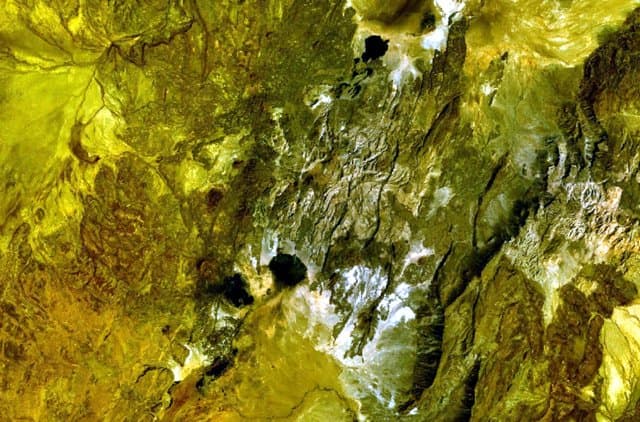
About Yangudi
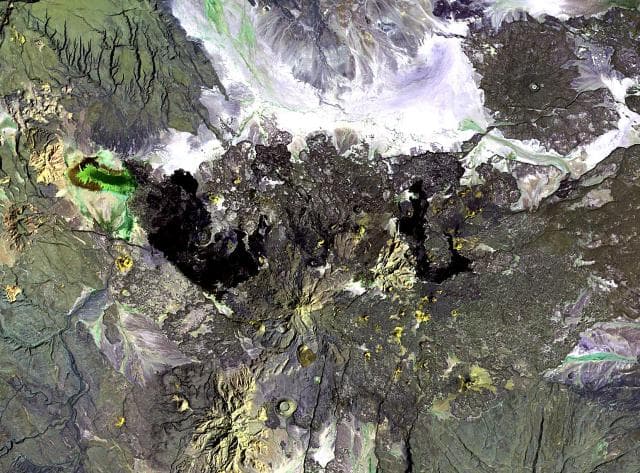
Yangudi is a complex rising to 1,383 meters (4,538 feet) in Ethiopia's Eastern Africa Volcanic Regions. No historical eruptions have been recorded, though the volcano is classified based on geological evidence of past activity.
Geography & Climate
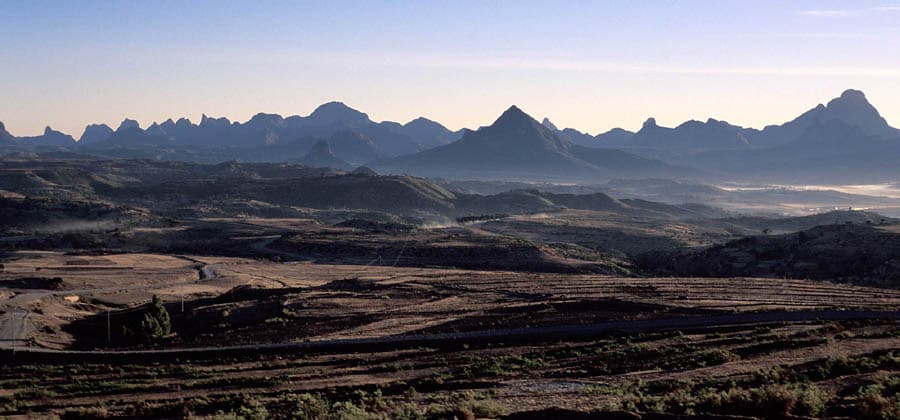
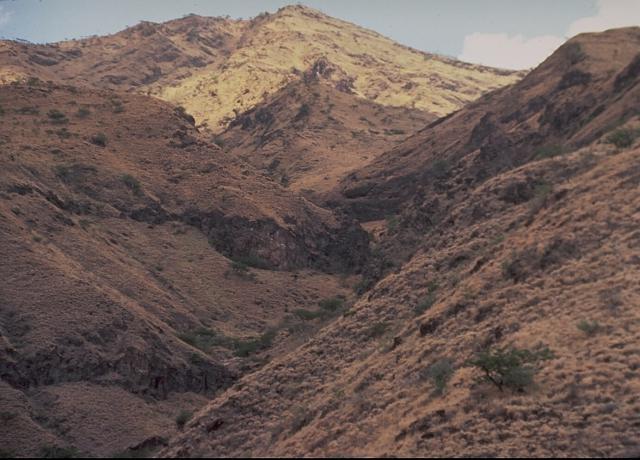
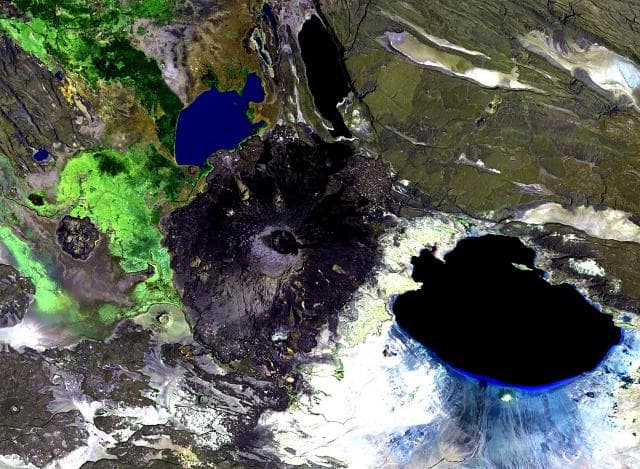
Yangudi is located in Ethiopia, within the Main Ethiopian Rift Volcanic Province of the broader Eastern Africa Volcanic Regions. Situated at 10.58° N, 41.04° E in the Northern Hemisphere, the volcano lies within a tropical climate zone. With a summit elevation of 1,383 meters above sea level, Yangudi is a moderately sized peak that remains accessible to hikers and researchers for much of the year. The volcanic landform is characterized as a composite, which describes the physical shape and structure of the volcanic edifice as observed from the surface.
Geological Context
Yangudi is situated along a rift zone, where tectonic plates are pulling apart. As the crust thins and fractures, magma rises to fill the gap, creating volcanic activity. Rift volcanism typically produces more fluid lava flows rather than explosive blasts, which means communities near Yangudi in Ethiopia generally face slower-moving hazards like lava flows and ground fissures rather than sudden pyroclastic events. However, rift volcanoes can still generate significant ash emissions and gas releases that affect local air quality. The dominant rock type is rhyolite, a silica-rich volcanic rock associated with highly viscous magma. Rhyolitic eruptions can be extremely explosive and are responsible for some of the largest volcanic events in Earth's history, including supervolcanic caldera-forming eruptions. The high silica content traps dissolved gases, building enormous pressure that can lead to catastrophic explosive releases.
GVP Reference Summary
Yangudi volcano, lying in the Addado graben of the northern Main Ethiopian Rift, is a complex rhyolitic stratovolcano with an elliptical summit caldera. A trachytic lava flow originating in the caldera covers part of the southern flank of Yangudi, also known as Angudi, Jangudi, or Langudi. Rhyolitic obsidian domes on the NW flank are surrounded by younger basaltic lava flows. Very recent scoria cones and lava flows are located south of Yangudi along the eastern graben faults.
— Smithsonian Institution, Global Volcanism Program
0 Recorded Eruptions
No eruption records available for Yangudi.
Real-Time Data
Frequently Asked Questions About Yangudi
Is Yangudi an active volcano?+
Yangudi is classified as active based on credible evidence of past eruptions. Although its last known eruption was in prehistoric times, volcanologists consider it capable of erupting again.
How high is Yangudi?+
Yangudi has a summit elevation of 1,383 meters (4,538 feet) above sea level. At 1,383 meters, it is a moderately sized volcanic peak, roughly comparable to Mount Vesuvius (1,281m).
What type of volcano is Yangudi?+
Yangudi is classified as a Complex. Complex volcanoes have distinct geological characteristics that set them apart from other volcanic types.
Where is Yangudi located?+
Yangudi is located in Ethiopia, in the Eastern Africa Volcanic Regions. More specifically, it lies within the Main Ethiopian Rift Volcanic Province. Its exact coordinates are 10.580° latitude, 41.042° longitude.
Is it safe to visit Yangudi?+
Yangudi can generally be visited, but as with any volcano, visitors should check local conditions and any advisory notices before traveling. Ethiopia may have specific regulations for accessing volcanic areas. Guided tours are often the safest and most informative way to experience a volcano.