About Kurose Hole
Kurose Hole is a caldera rising to -114 meters (-374 feet) in Japan's Northwestern Pacific Volcanic Regions. No historical eruptions have been recorded, though the volcano is classified based on geological evidence of past activity.
Geography & Climate
Kurose Hole is located in Japan, within the Izu Volcanic Arc of the broader Northwestern Pacific Volcanic Regions. Situated at 33.40° N, 139.68° E in the Northern Hemisphere, the volcano lies within a subtropical climate zone. With an elevation of -114 meters — below sea level — Kurose Hole is a submarine or submerged volcanic feature. Submarine volcanoes make up the majority of Earth's volcanic activity, though most eruptions go unobserved beneath the ocean surface. The volcanic landform is characterized as a caldera, which describes the physical shape and structure of the volcanic edifice as observed from the surface.
Geological Context
Kurose Hole sits in a subduction zone, where one tectonic plate dives beneath another, creating intense heat and pressure that generates magma. Subduction zones are responsible for many of the world's most explosive volcanoes and deadliest eruptions. For communities in Japan near Kurose Hole, this tectonic setting means the volcano is capable of producing powerful explosive eruptions, pyroclastic flows, and lahars that can threaten populated areas within tens of kilometers of the summit. The dominant rock type is dacite, an intermediate to silica-rich volcanic rock. This composition typically produces more viscous magma, leading to more explosive eruptions with ash columns and pyroclastic flows. Andesitic and dacitic magmas build pressure before erupting, which is why volcanoes with this rock chemistry are often associated with Plinian-style eruptions that can send ash tens of kilometers into the atmosphere and disrupt aviation across entire regions.
GVP Reference Summary
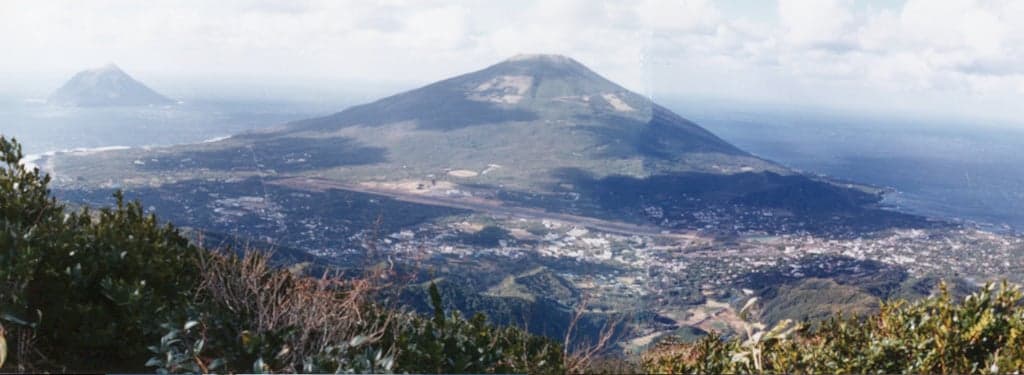
Kurose Hole, between Mikura and Hachijo-jima islands, is a nearly circular submarine caldera 5-7 km in diameter with a 600-760 m deep floor. The high point of the caldera rim rises to about 100 m of the ocean surface. Large amounts of dacitic pumice have been recovered from dredges along the inner caldera wall. The age of its most recent eruption is not known.
— Smithsonian Institution, Global Volcanism Program
0 Recorded Eruptions
No eruption records available for Kurose Hole.
Real-Time Data
Frequently Asked Questions About Kurose Hole
Is Kurose Hole an active volcano?+
Kurose Hole is not currently classified as active. Its activity evidence is listed as "Evidence Uncertain." No recorded eruptions have been documented. However, no volcano is ever considered permanently extinct.
How high is Kurose Hole?+
Kurose Hole has a summit elevation of -114 meters (-374 feet) above sea level. With an elevation of -114 meters (below sea level), this is a submarine or submerged volcanic feature.
What type of volcano is Kurose Hole?+
Kurose Hole is classified as a Caldera. Calderas are large volcanic depressions formed when a volcano erupts so powerfully that its magma chamber collapses, creating a basin that can be kilometers wide. They are often sites of some of Earth's largest eruptions.
Where is Kurose Hole located?+
Kurose Hole is located in Japan, in the Northwestern Pacific Volcanic Regions. More specifically, it lies within the Izu Volcanic Arc. Its exact coordinates are 33.400° latitude, 139.680° longitude.
Is it safe to visit Kurose Hole?+
Kurose Hole can generally be visited, but as with any volcano, visitors should check local conditions and any advisory notices before traveling. Japan may have specific regulations for accessing volcanic areas. Guided tours are often the safest and most informative way to experience a volcano.