About St. Andrew Strait
St. Andrew Strait is a complex rising to 270 meters (886 feet) in Papua New Guinea's Southwestern Pacific Volcanic Regions. It last erupted in 1957 CE, and volcanologists consider it an active volcanic system. The volcano has produced 5 recorded eruptions, with a maximum Volcanic Explosivity Index (VEI) of 2.
Geography & Climate
St. Andrew Strait is located in Papua New Guinea, within the Bismarck Sea Volcanic Province of the broader Southwestern Pacific Volcanic Regions. Situated at 2.38° S, 147.35° E in the Southern Hemisphere, the volcano lies within a tropical climate zone. At just 270 meters above sea level, St. Andrew Strait is a relatively low-elevation volcanic feature. Despite its modest height, it remains an active geological formation with the same underlying magmatic processes as its taller counterparts. The volcanic landform is characterized as a composite, which describes the physical shape and structure of the volcanic edifice as observed from the surface.
Geological Context
St. Andrew Strait sits in a subduction zone, where one tectonic plate dives beneath another, creating intense heat and pressure that generates magma. Subduction zones are responsible for many of the world's most explosive volcanoes and deadliest eruptions. For communities in Papua New Guinea near St. Andrew Strait, this tectonic setting means the volcano is capable of producing powerful explosive eruptions, pyroclastic flows, and lahars that can threaten populated areas within tens of kilometers of the summit. The dominant rock type is rhyolite, a silica-rich volcanic rock associated with highly viscous magma. Rhyolitic eruptions can be extremely explosive and are responsible for some of the largest volcanic events in Earth's history, including supervolcanic caldera-forming eruptions. The high silica content traps dissolved gases, building enormous pressure that can lead to catastrophic explosive releases.
Eruption History Summary
St. Andrew Strait has 5 recorded eruptions in the geological database, spanning from 240 BCE to 1957 CE. The most powerful recorded event was an explosive event producing ash plumes up to several kilometers in 1953 CE, reaching VEI 2 on the Volcanic Explosivity Index. This eruption frequency indicates a moderately active volcanic system with periodic reawakenings. The most recent eruption in 1957 CE places this volcano within the modern era of volcanological observation.
Significance
With 5 recorded eruptions on file, St. Andrew Strait has enough documented activity to help scientists identify patterns in its eruptive behavior. Given its recent activity, St. Andrew Strait is closely monitored by geological survey organizations to provide early warning of future unrest.
GVP Reference Summary
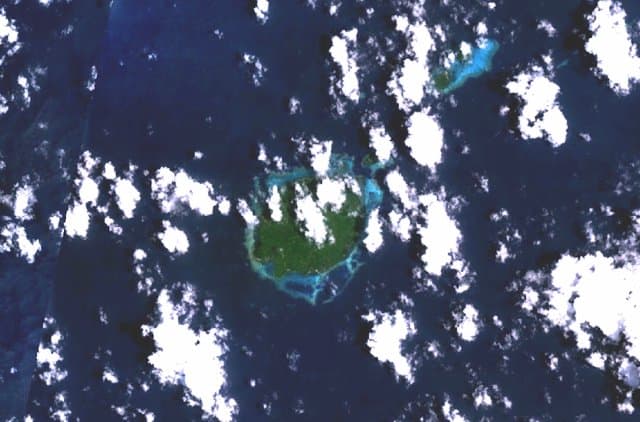
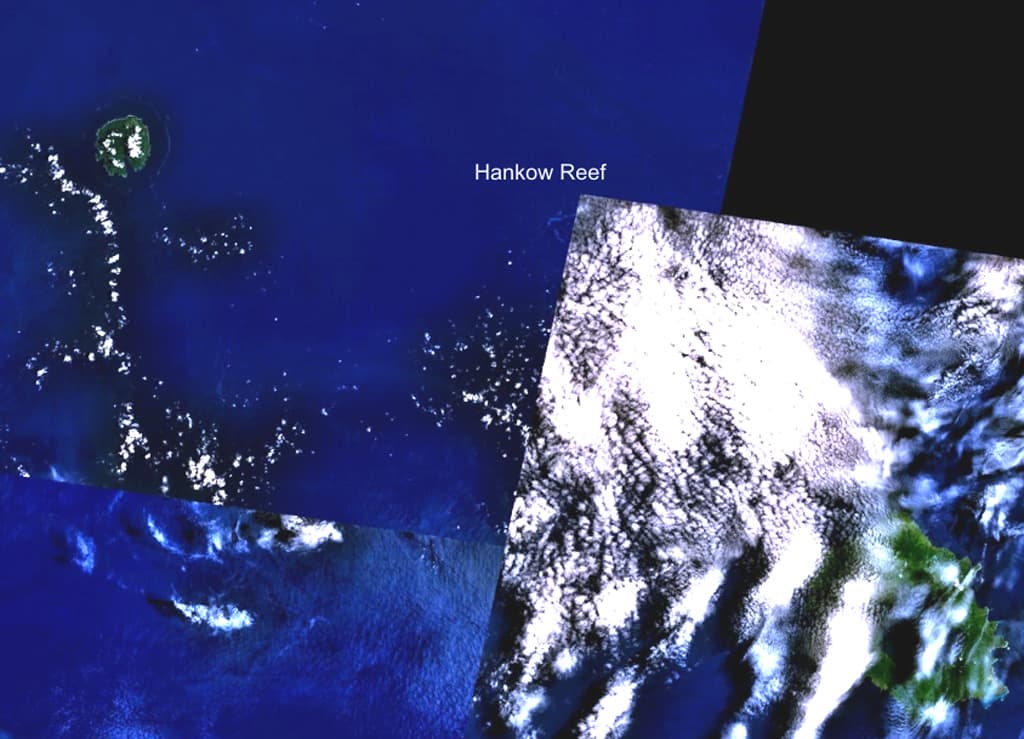
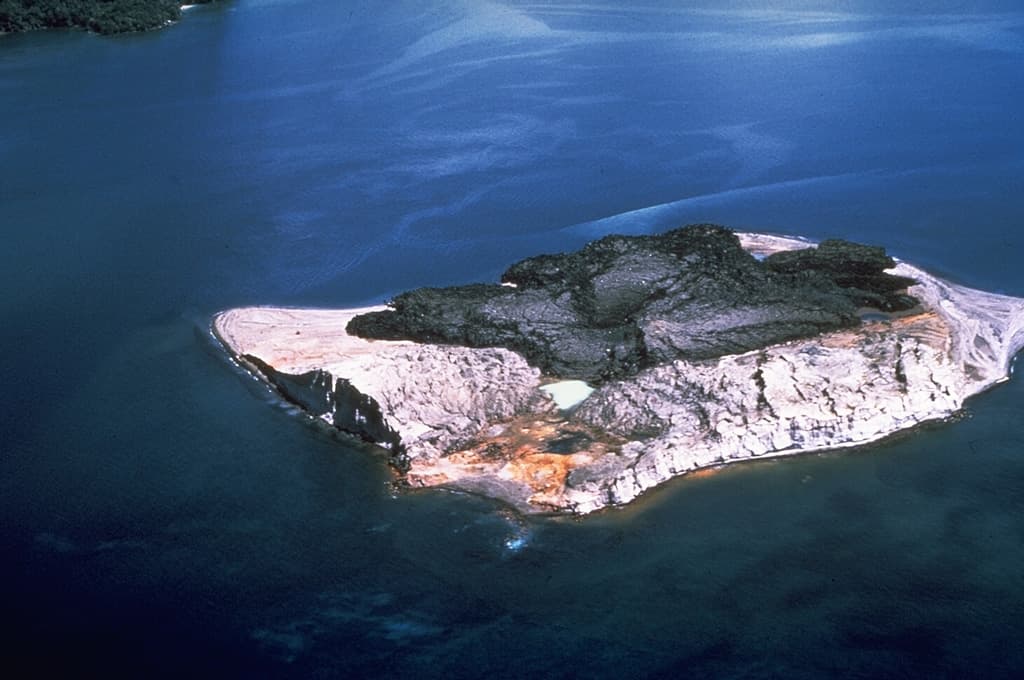
The St. Andrew Strait volcano, located in the Admiralty Islands north of Papua New Guinea, consists of a series of overlapping Quaternary cones formed by rhyolitic lava flows and pyroclastic materials on Lou and Tuluman Islands. Volcanism is aligned on a curved arc extending through the 12-km-long Lou Island. The Tuluman Islands, 1.5 km S of Lou Island, were formed during a 1953-1957 eruption. Pam Lin and Pam Mandian Islands farther to the SE along the same arc contain fresh rhyolitic obsidian similar to that found on Tuluman.
— Smithsonian Institution, Global Volcanism Program
5 Recorded Eruptions
| Year | VEI | Type | Area |
|---|---|---|---|
| 1953 – 1957 | 2 | Confirmed Eruption | Tuluman |
| 1931 | 0 | Uncertain Eruption | Tuluman (?) |
| 1883 | 2 | Confirmed Eruption | Tuluman |
| 350 | — | Confirmed Eruption | Lou Island (Bedal volcano) |
| 240 BCE | — | Confirmed Eruption | Lou Island (Bedal volcano) |
Real-Time Data
Frequently Asked Questions About St. Andrew Strait
Is St. Andrew Strait an active volcano?+
Yes, St. Andrew Strait is considered an active volcano. Its most recent eruption was in 1957 CE. The volcano is monitored by geological agencies, and its activity status is based on observed eruptions within recorded history.
When did St. Andrew Strait last erupt?+
The most recent recorded eruption of St. Andrew Strait began in 1953 CE and continued until 1957 CE with a Volcanic Explosivity Index (VEI) of 2. The eruption was classified as a "Confirmed Eruption." St. Andrew Strait has 5 recorded eruptions in total.
How high is St. Andrew Strait?+
St. Andrew Strait has a summit elevation of 270 meters (886 feet) above sea level. At 270 meters, it is a relatively low-elevation volcano.
What type of volcano is St. Andrew Strait?+
St. Andrew Strait is classified as a Complex. Complex volcanoes have distinct geological characteristics that set them apart from other volcanic types.
Where is St. Andrew Strait located?+
St. Andrew Strait is located in Papua New Guinea, in the Southwestern Pacific Volcanic Regions. More specifically, it lies within the Bismarck Sea Volcanic Province. Its exact coordinates are -2.380° latitude, 147.350° longitude.
Is it safe to visit St. Andrew Strait?+
Visiting St. Andrew Strait requires checking current volcanic activity and alert levels. As an active volcano with eruptions as recent as 1957 CE, conditions can change rapidly. Always consult local geological authorities and follow official warnings before visiting. Many active volcanoes have designated safe viewing areas and guided tour options.