East Blanco Depression
Fissure vent · -3,000m · Undersea Features
About East Blanco Depression
East Blanco Depression is a fissure vent rising to -3,000 meters (-9,843 feet) in Undersea Features's Eastern Pacific Volcanic Regions. No historical eruptions have been recorded, though the volcano is classified based on geological evidence of past activity.
Geography & Climate
East Blanco Depression is located in Undersea Features, within the Northeast Pacific Rifts Volcanic Province of the broader Eastern Pacific Volcanic Regions. Situated at 44.27° N, 129.88° W in the Northern Hemisphere, the volcano lies within a temperate climate zone. With an elevation of -3,000 meters — below sea level — East Blanco Depression is a submarine or submerged volcanic feature. Submarine volcanoes make up the majority of Earth's volcanic activity, though most eruptions go unobserved beneath the ocean surface. The volcanic landform is characterized as a cluster, which describes the physical shape and structure of the volcanic edifice as observed from the surface.
Geological Context
East Blanco Depression is situated along a rift zone, where tectonic plates are pulling apart. As the crust thins and fractures, magma rises to fill the gap, creating volcanic activity. Rift volcanism typically produces more fluid lava flows rather than explosive blasts, which means communities near East Blanco Depression in Undersea Features generally face slower-moving hazards like lava flows and ground fissures rather than sudden pyroclastic events. However, rift volcanoes can still generate significant ash emissions and gas releases that affect local air quality.
GVP Reference Summary
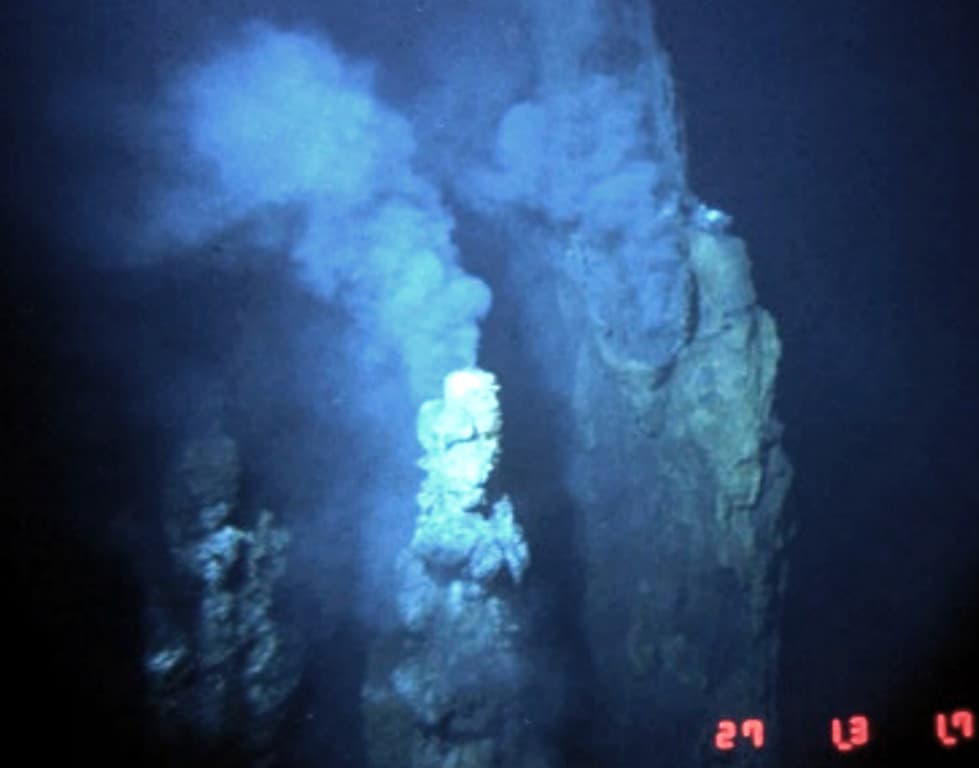
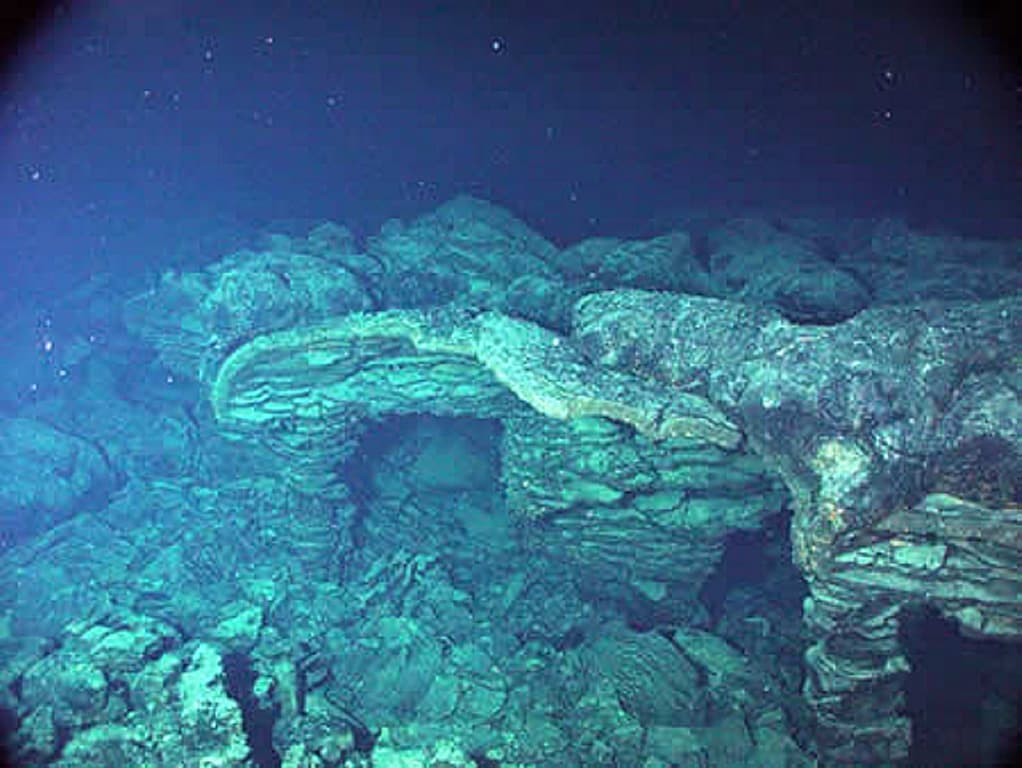
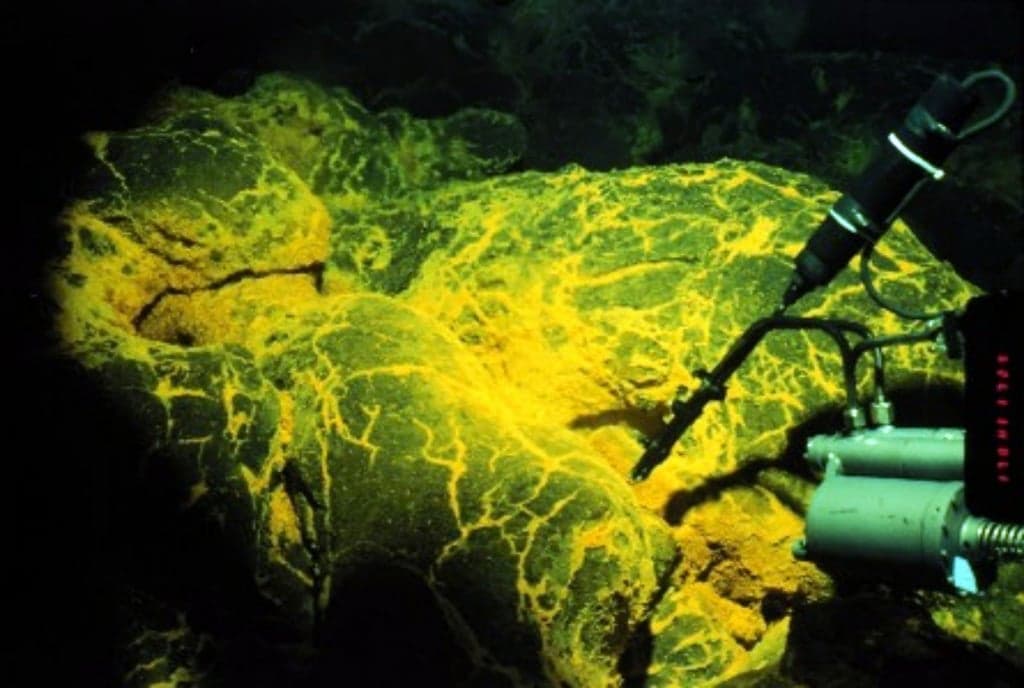
The East Blanco Depression (EBD) is a pull-apart basin within the western Blanco Transform Fault Zone, a right-lateral transform fault that links the Juan de Fuca Ridge and Gorda Ridge (Dziak et al., 1996). In January 1994 a T-wave swarm suggested eruptive activity. Investigations later that year were inconclusive regarding an associated eruption, but found an active hydrothermal mound on the flanks of a pillow-lava volcano. Dziak et al. (1996) considered the EBD to have been the site of recent seafloor eruptions.
— Smithsonian Institution, Global Volcanism Program
0 Recorded Eruptions
No eruption records available for East Blanco Depression.
Real-Time Data
Frequently Asked Questions About East Blanco Depression
Is East Blanco Depression an active volcano?+
East Blanco Depression is not currently classified as active. Its activity evidence is listed as "Unrest / Holocene." No recorded eruptions have been documented. However, no volcano is ever considered permanently extinct.
How high is East Blanco Depression?+
East Blanco Depression has a summit elevation of -3,000 meters (-9,843 feet) above sea level. With an elevation of -3,000 meters (below sea level), this is a submarine or submerged volcanic feature.
What type of volcano is East Blanco Depression?+
East Blanco Depression is classified as a Fissure vent. Fissure vent volcanoes have distinct geological characteristics that set them apart from other volcanic types.
Where is East Blanco Depression located?+
East Blanco Depression is located in Undersea Features, in the Eastern Pacific Volcanic Regions. More specifically, it lies within the Northeast Pacific Rifts Volcanic Province. Its exact coordinates are 44.267° latitude, -129.879° longitude.
Is it safe to visit East Blanco Depression?+
East Blanco Depression can generally be visited, but as with any volcano, visitors should check local conditions and any advisory notices before traveling. Undersea Features may have specific regulations for accessing volcanic areas. Guided tours are often the safest and most informative way to experience a volcano.