About Havre Seamount
Havre Seamount is a stratovolcano rising to -897 meters (-2,943 feet) in New Zealand's Tonga-Kermadec Volcanic Regions. It has been active in recent decades, with its last eruption in 2012 CE. The volcano has produced 1 recorded eruption, with a maximum Volcanic Explosivity Index (VEI) of 1.
Geography & Climate
Havre Seamount is located in New Zealand, within the Middle Kermadec Volcanic Arc of the broader Tonga-Kermadec Volcanic Regions. Situated at 31.08° S, 179.03° W in the Southern Hemisphere, the volcano lies within a subtropical climate zone. With an elevation of -897 meters — below sea level — Havre Seamount is a submarine or submerged volcanic feature. Submarine volcanoes make up the majority of Earth's volcanic activity, though most eruptions go unobserved beneath the ocean surface. The volcanic landform is characterized as a composite, which describes the physical shape and structure of the volcanic edifice as observed from the surface.
Geological Context
Havre Seamount sits in a subduction zone, where one tectonic plate dives beneath another, creating intense heat and pressure that generates magma. Subduction zones are responsible for many of the world's most explosive volcanoes and deadliest eruptions. For communities in New Zealand near Havre Seamount, this tectonic setting means the volcano is capable of producing powerful explosive eruptions, pyroclastic flows, and lahars that can threaten populated areas within tens of kilometers of the summit.
Eruption History Summary
Havre Seamount has 1 recorded eruption in the geological database, spanning from 2012 CE to 2012 CE. The most powerful recorded event was a gentle, effusive event in 2012 CE, reaching VEI 1 on the Volcanic Explosivity Index. With eruptive activity as recently as 2012 CE, Havre Seamount remains an actively monitored volcano.
GVP Reference Summary
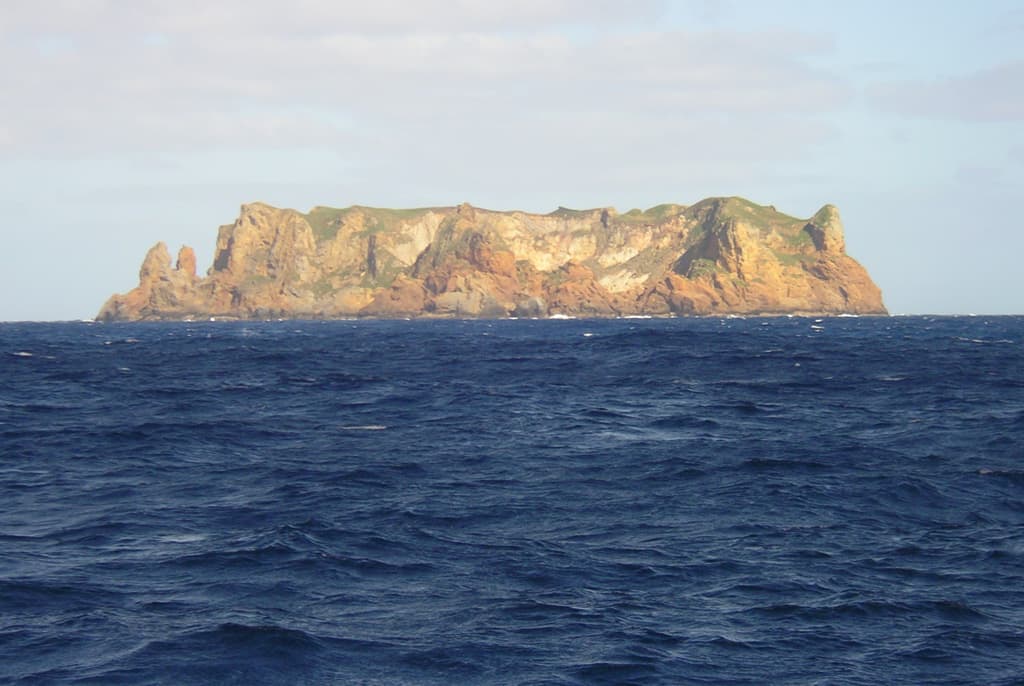
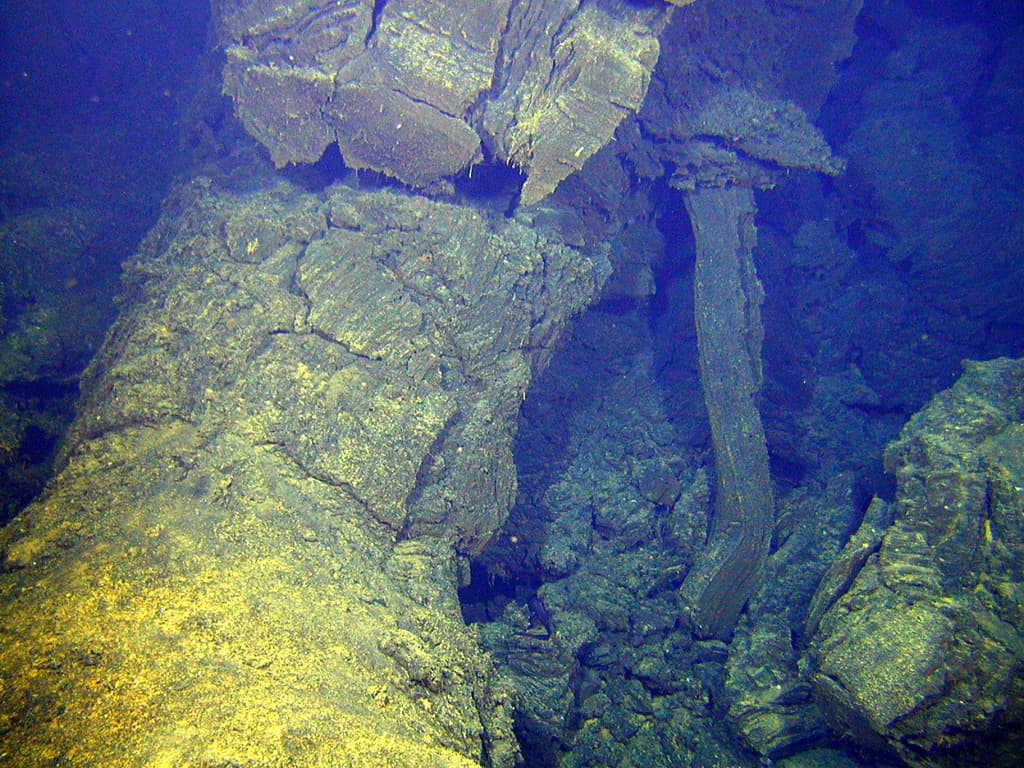
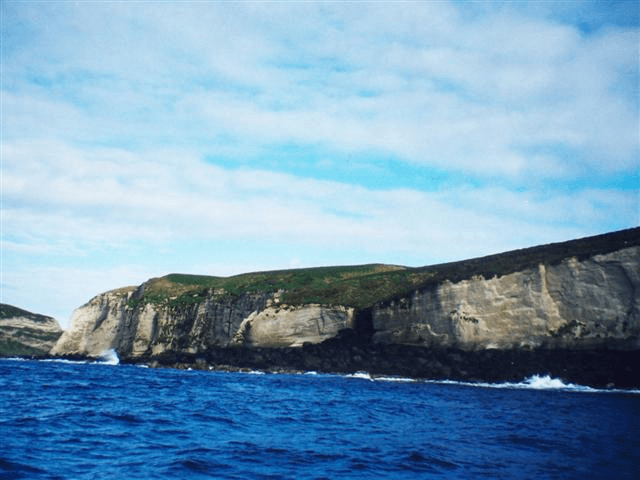
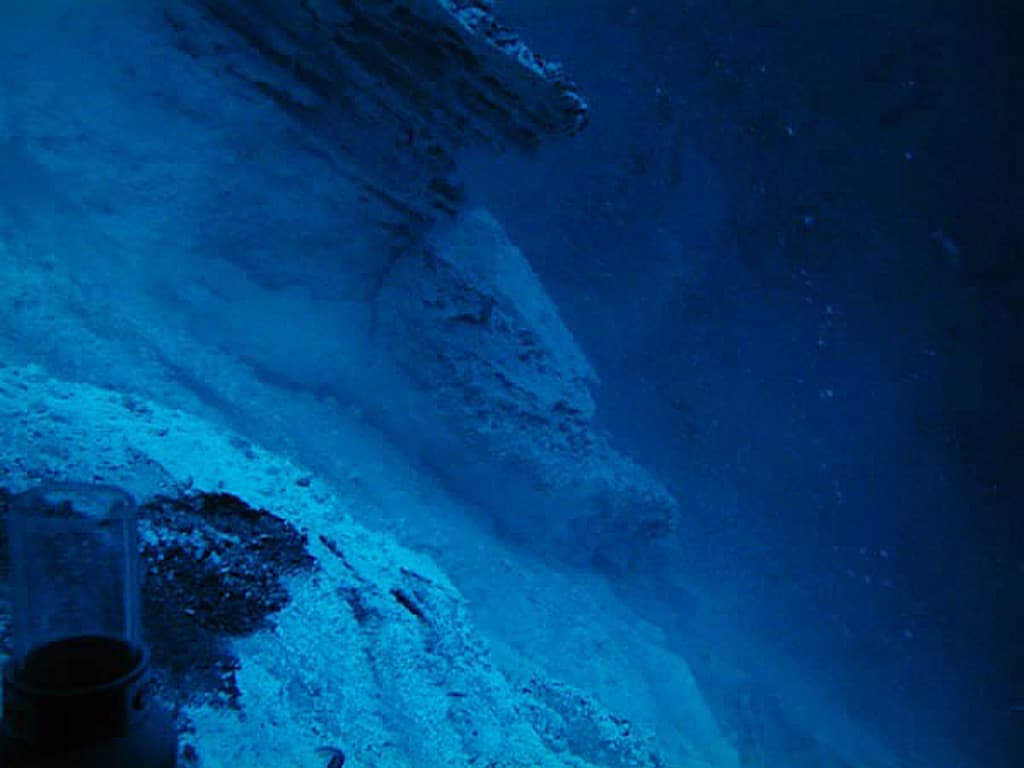
Havre Seamount has a caldera capping a 1-km-high edifice. Located on the Kermadec Ridge, it is believed to have erupted in July 2012, the first recorded activity. The caldera has an asymmetric morphology with the N rim comprising mostly a single inner topographic wall, and the S rim comprising both an outer topographic rim and inner wall separated by a 1.1-1.4 km wide terrace. Smaller craters occur on this terrace. Rocks from the caldera wall include aphyric and plagioclase-bearing basalt-andesite, aphyric and plagioclase- and pyroxene-bearing dacite, gabbro, diorite, and pumice (Wright et al., 2006).
— Smithsonian Institution, Global Volcanism Program
1 Recorded Eruption
| Year | VEI | Type | Area |
|---|---|---|---|
| 2012 | 1 | Confirmed Eruption | New cone at edge of summit caldera |
Real-Time Data
Frequently Asked Questions About Havre Seamount
Is Havre Seamount an active volcano?+
Yes, Havre Seamount is considered an active volcano. Its most recent eruption was in 2012 CE. The volcano is monitored by geological agencies, and its activity status is based on observed eruptions within recorded history.
When did Havre Seamount last erupt?+
The most recent recorded eruption of Havre Seamount occurred in 2012 CE with a Volcanic Explosivity Index (VEI) of 1. The eruption was classified as a "Confirmed Eruption." Havre Seamount has 1 recorded eruption in total.
How high is Havre Seamount?+
Havre Seamount has a summit elevation of -897 meters (-2,943 feet) above sea level. With an elevation of -897 meters (below sea level), this is a submarine or submerged volcanic feature.
What type of volcano is Havre Seamount?+
Havre Seamount is classified as a Stratovolcano. Stratovolcanoes (also called composite volcanoes) are steep, conical volcanoes built up by many layers of hardened lava, tephra, and volcanic ash. They are among the most common and dangerous types, known for explosive eruptions.
Where is Havre Seamount located?+
Havre Seamount is located in New Zealand, in the Tonga-Kermadec Volcanic Regions. More specifically, it lies within the Middle Kermadec Volcanic Arc. Its exact coordinates are -31.080° latitude, -179.033° longitude.
Is it safe to visit Havre Seamount?+
Visiting Havre Seamount requires checking current volcanic activity and alert levels. As an active volcano with eruptions as recent as 2012 CE, conditions can change rapidly. Always consult local geological authorities and follow official warnings before visiting. Many active volcanoes have designated safe viewing areas and guided tour options.