About Morning
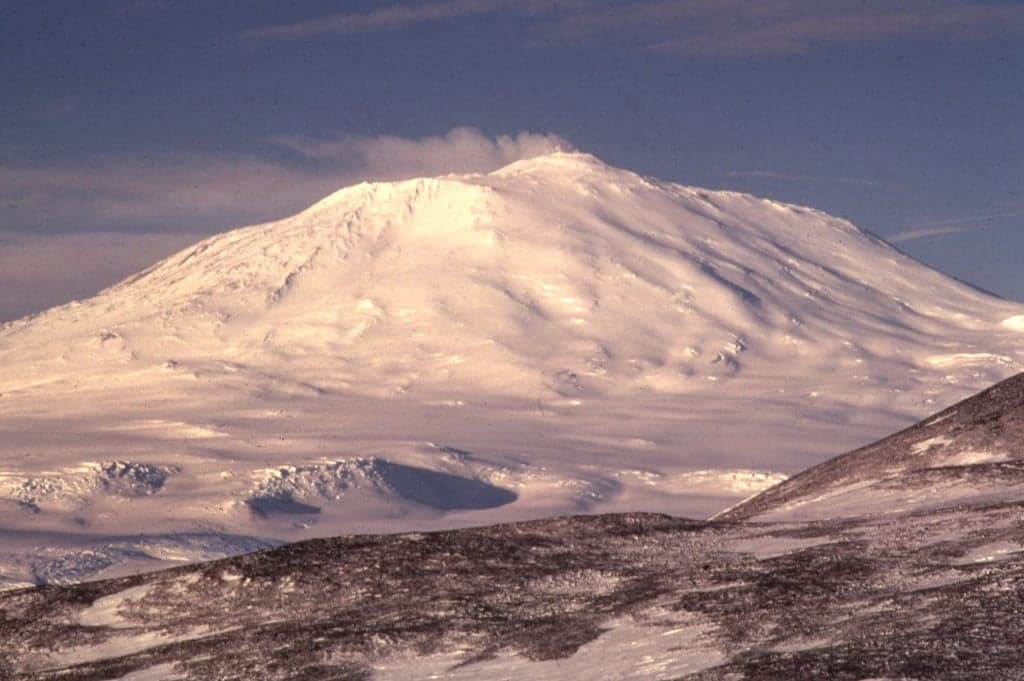
Morning is a shield rising to 2,723 meters (8,934 feet) in Antarctica's Antarctic-Scotia Volcanic Regions. No historical eruptions have been recorded, though the volcano is classified based on geological evidence of past activity.
Geography & Climate
Morning is located in Antarctica, within the McMurdo Volcanic Province of the broader Antarctic-Scotia Volcanic Regions. Situated at 78.50° S, 163.53° E in the Southern Hemisphere, the volcano lies within a polar climate zone. At 2,723 meters above sea level, Morning rises above the surrounding terrain into montane or subalpine conditions. The elevation creates distinct ecological zones along its flanks, from forested lower slopes to exposed rocky terrain near the summit. The volcanic landform is characterized as a shield, which describes the physical shape and structure of the volcanic edifice as observed from the surface.
Geological Context
Morning is an intraplate volcano, meaning it formed away from any plate boundary. These volcanoes are often powered by hotspots — plumes of abnormally hot mantle material rising from deep within the Earth. Hotspot volcanoes like Morning tend to produce effusive eruptions with lava flows that can be relatively predictable, giving nearby communities in Antarctica more time to prepare. However, they can also produce explosive phases, particularly when magma interacts with groundwater. The dominant rock type is phonolite, an alkaline volcanic rock that indicates a distinct magma chemistry linked to unique tectonic conditions. This composition can produce both effusive and explosive eruptions, with magma viscosity depending on specific mineral content and gas concentrations at the time of eruption.
GVP Reference Summary
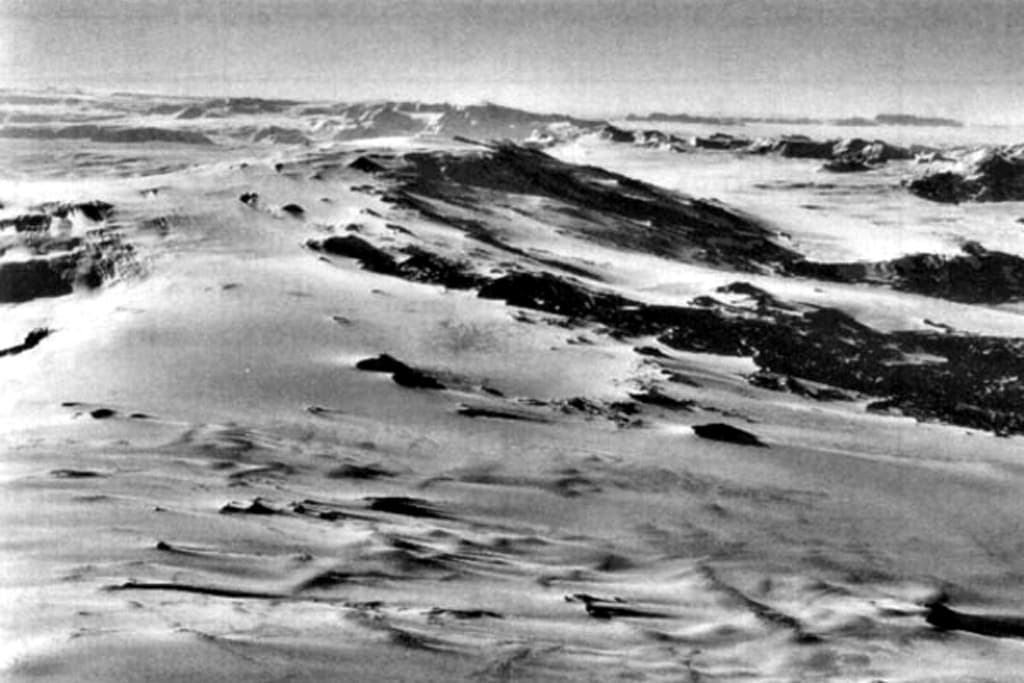
Mount Morning is a glaciated, undissected, alkalic shield volcano in the Erebus volcanic province SE of the south end of the Royal Society Range. An elongated 4.9 x 4.1 km caldera lies at the summit, and numerous lava domes and cinder cones formed on fissures on the N, NE, and SE flanks. The latest volcanism associated with growth of the phonolitic central volcano was Potassium-Argon dated at about 1.2 to 1 million years, and late-Pleistocene to zero-age Argon-Argon dates were obtained for some of the volumetrically dominant basanitic fissure vents. More than 50 morphologically youthful vents occur on the flanks.
— Smithsonian Institution, Global Volcanism Program
0 Recorded Eruptions
No eruption records available for Morning.
Real-Time Data
Frequently Asked Questions About Morning
Is Morning an active volcano?+
Morning is not currently classified as active. Its activity evidence is listed as "Evidence Uncertain." No recorded eruptions have been documented. However, no volcano is ever considered permanently extinct.
How high is Morning?+
Morning has a summit elevation of 2,723 meters (8,934 feet) above sea level. At 2,723 meters, it is comparable in height to many significant mountain peaks and stands well above the tree line.
What type of volcano is Morning?+
Morning is classified as a Shield. Shield volcanoes have distinct geological characteristics that set them apart from other volcanic types.
Where is Morning located?+
Morning is located in Antarctica, in the Antarctic-Scotia Volcanic Regions. More specifically, it lies within the McMurdo Volcanic Province. Its exact coordinates are -78.500° latitude, 163.530° longitude.
Is it safe to visit Morning?+
Morning can generally be visited, but as with any volcano, visitors should check local conditions and any advisory notices before traveling. Antarctica may have specific regulations for accessing volcanic areas. Guided tours are often the safest and most informative way to experience a volcano.