About Sangay
Sangay is a unknown in Philippines's Western Pacific Volcanic Regions. No historical eruptions have been recorded, though the volcano is classified based on geological evidence of past activity.
Geography & Climate
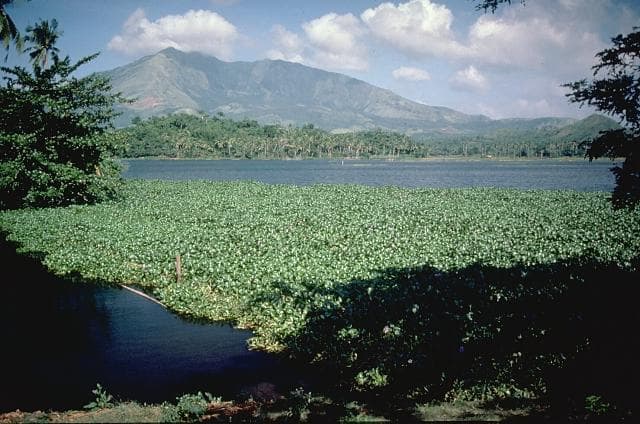
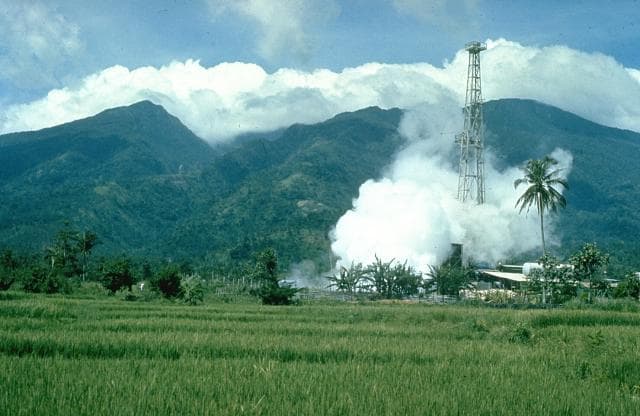
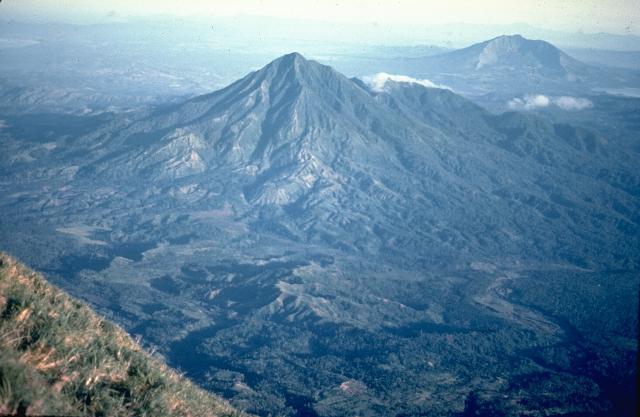
Sangay is located in Philippines, within the Eastern Philippine Volcanic Arc of the broader Western Pacific Volcanic Regions. Situated at 13.52° N, 123.53° E in the Northern Hemisphere, the volcano lies within a tropical climate zone.
GVP Reference Summary
K-Ar dates of about 0.556 to 0.387 million years were obtained from Sangay volcano, which lies NE of Iriga volcano and NW of Malinao volcano.
— Smithsonian Institution, Global Volcanism Program
0 Recorded Eruptions
No eruption records available for Sangay.
Real-Time Data
Frequently Asked Questions About Sangay
Is Sangay an active volcano?+
Sangay is not currently classified as active. Its activity evidence is listed as "unknown." No recorded eruptions have been documented. However, no volcano is ever considered permanently extinct.
What type of volcano is Sangay?+
Sangay is classified as a Unknown. Unknown volcanoes have distinct geological characteristics that set them apart from other volcanic types.
Where is Sangay located?+
Sangay is located in Philippines, in the Western Pacific Volcanic Regions. More specifically, it lies within the Eastern Philippine Volcanic Arc. Its exact coordinates are 13.520° latitude, 123.530° longitude.
Is it safe to visit Sangay?+
Sangay can generally be visited, but as with any volcano, visitors should check local conditions and any advisory notices before traveling. Philippines may have specific regulations for accessing volcanic areas. Guided tours are often the safest and most informative way to experience a volcano.