About Huila, Nevado del
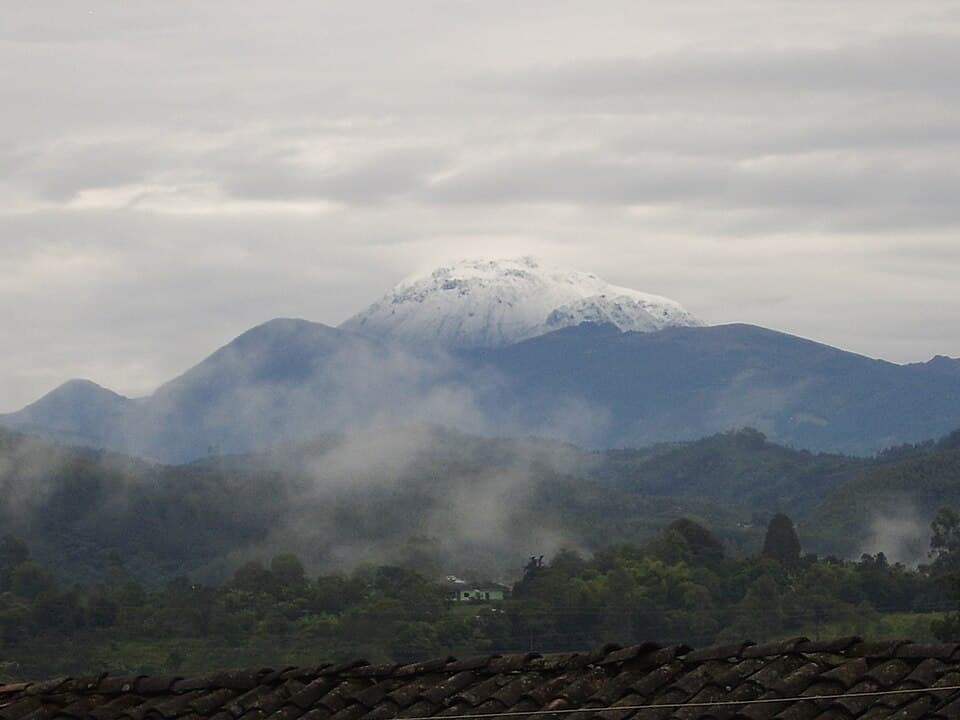
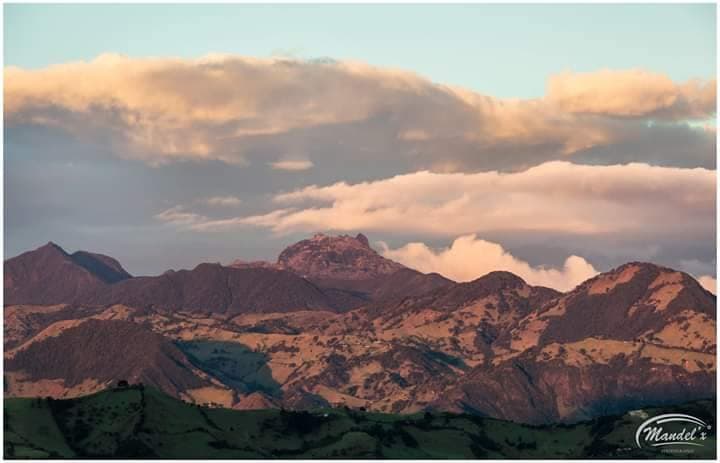
Huila, Nevado del is a stratovolcano rising to 5,364 meters (17,599 feet) in Colombia's South America Volcanic Regions. It has been active in recent decades, with its last eruption in 2012 CE. The volcano has produced 4 recorded eruptions, with a maximum Volcanic Explosivity Index (VEI) of 3.
Geography & Climate
Huila, Nevado del is located in Colombia, within the Northern Andean Volcanic Arc of the broader South America Volcanic Regions. Situated at 2.93° N, 76.03° W in the Northern Hemisphere, the volcano lies within a tropical climate zone. At 5,364 meters above sea level, Huila, Nevado del reaches well into the permanent snow and ice zone. Glaciers and snowpack on the upper slopes create the potential for lahars — destructive volcanic mudflows — during eruptions, as heat rapidly melts ice and snow. The volcanic landform is characterized as a composite, which describes the physical shape and structure of the volcanic edifice as observed from the surface.
Geological Context
Huila, Nevado del sits in a subduction zone, where one tectonic plate dives beneath another, creating intense heat and pressure that generates magma. Subduction zones are responsible for many of the world's most explosive volcanoes and deadliest eruptions. For communities in Colombia near Huila, Nevado del, this tectonic setting means the volcano is capable of producing powerful explosive eruptions, pyroclastic flows, and lahars that can threaten populated areas within tens of kilometers of the summit. The dominant rock type is andesite / basaltic andesite, a dark, fine-grained volcanic rock that forms from rapidly cooling, low-viscosity lava. Basaltic eruptions tend to be less explosive and produce fluid lava flows that can travel long distances. While less immediately dangerous than explosive eruptions, basaltic lava flows can destroy structures and infrastructure in their path, and volcanic gases released during these eruptions can affect air quality over a wide area.
Eruption History Summary
Huila, Nevado del has 4 recorded eruptions in the geological database, spanning from 1555 CE to 2008 CE. The most powerful recorded event was a severe eruption capable of regional ash fall and pyroclastic flows in 2008 CE, reaching VEI 3 on the Volcanic Explosivity Index. Notable eruptions include 2008 CE (VEI 3), 2007 CE (VEI 3). These eruptions span roughly 453 years of volcanic history. With eruptive activity as recently as 2008 CE, Huila, Nevado del remains an actively monitored volcano.
Significance
With a maximum recorded VEI of 3, Huila, Nevado del has produced eruptions capable of generating pyroclastic flows and significant ash fall in the surrounding area. While not among the largest eruptions globally, VEI 3 events pose serious hazards to local populations and can disrupt regional air travel. Given its recent activity, Huila, Nevado del is closely monitored by geological survey organizations to provide early warning of future unrest.
GVP Reference Summary
Nevado del Huila, the highest peak in the Colombian Andes, is an elongated N-S-trending volcanic chain mantled by a glacier icecap. The andesitic-dacitic volcano was constructed within a 10-km-wide caldera. Volcanism at Nevado del Huila has produced six volcanic cones whose ages in general migrated from south to north. The high point of the complex is Pico Central. Two glacier-free lava domes lie at the southern end of the volcanic complex. The first historical activity was an explosive eruption in the mid-16th century. Long-term, persistent steam columns had risen from Pico Central prior to the next eruption in 2007, when explosive activity was accompanied by damaging mudflows.
— Smithsonian Institution, Global Volcanism Program
4 Recorded Eruptions
| Year | VEI | Type | Area |
|---|---|---|---|
| 2008 | 2 | Confirmed Eruption | — |
| 2008 – 2012 | 3 | Confirmed Eruption | Upper SW side of Pico Central |
| 2007 | 3 | Confirmed Eruption | — |
| 1555 | — | Confirmed Eruption | — |
Real-Time Data
Frequently Asked Questions About Huila, Nevado del
Is Huila, Nevado del an active volcano?+
Yes, Huila, Nevado del is considered an active volcano. Its most recent eruption was in 2012 CE. The volcano is monitored by geological agencies, and its activity status is based on observed eruptions within recorded history.
When did Huila, Nevado del last erupt?+
The most recent recorded eruption of Huila, Nevado del occurred in 2008 CE with a Volcanic Explosivity Index (VEI) of 2. The eruption was classified as a "Confirmed Eruption." Huila, Nevado del has 4 recorded eruptions in total.
How high is Huila, Nevado del?+
Huila, Nevado del has a summit elevation of 5,364 meters (17,599 feet) above sea level. At 5,364 meters, it stands taller than Mount Rainier (4,392m) and is among the world's major volcanic peaks.
What type of volcano is Huila, Nevado del?+
Huila, Nevado del is classified as a Stratovolcano. Stratovolcanoes (also called composite volcanoes) are steep, conical volcanoes built up by many layers of hardened lava, tephra, and volcanic ash. They are among the most common and dangerous types, known for explosive eruptions.
Where is Huila, Nevado del located?+
Huila, Nevado del is located in Colombia, in the South America Volcanic Regions. More specifically, it lies within the Northern Andean Volcanic Arc. Its exact coordinates are 2.930° latitude, -76.030° longitude.
Is it safe to visit Huila, Nevado del?+
Visiting Huila, Nevado del requires checking current volcanic activity and alert levels. As an active volcano with eruptions as recent as 2012 CE, conditions can change rapidly. Always consult local geological authorities and follow official warnings before visiting. Many active volcanoes have designated safe viewing areas and guided tour options.