About Corbetti
Corbetti is a caldera rising to 2,289 meters (7,510 feet) in Ethiopia's Eastern Africa Volcanic Regions. Its last known eruption dates to 396 BCE, in prehistoric times. The volcano has produced 2 recorded eruptions, with a maximum Volcanic Explosivity Index (VEI) of 5.
Geography & Climate
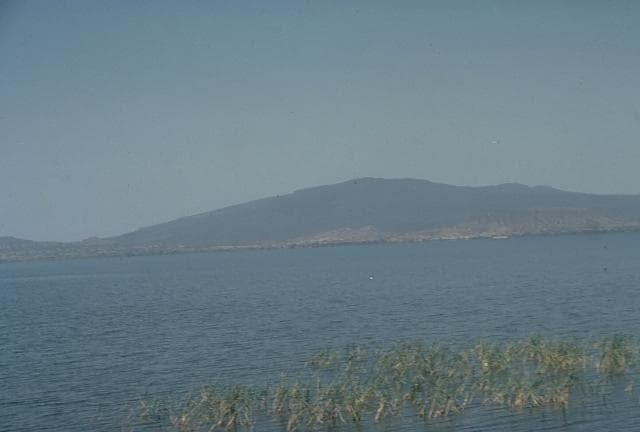
Corbetti is located in Ethiopia, within the Main Ethiopian Rift Volcanic Province of the broader Eastern Africa Volcanic Regions. Situated at 7.19° N, 38.39° E in the Northern Hemisphere, the volcano lies within a tropical climate zone. At 2,289 meters above sea level, Corbetti rises above the surrounding terrain into montane or subalpine conditions. The elevation creates distinct ecological zones along its flanks, from forested lower slopes to exposed rocky terrain near the summit. The volcanic landform is characterized as a caldera, which describes the physical shape and structure of the volcanic edifice as observed from the surface.
Geological Context
Corbetti is situated along a rift zone, where tectonic plates are pulling apart. As the crust thins and fractures, magma rises to fill the gap, creating volcanic activity. Rift volcanism typically produces more fluid lava flows rather than explosive blasts, which means communities near Corbetti in Ethiopia generally face slower-moving hazards like lava flows and ground fissures rather than sudden pyroclastic events. However, rift volcanoes can still generate significant ash emissions and gas releases that affect local air quality. The dominant rock type is rhyolite, a silica-rich volcanic rock associated with highly viscous magma. Rhyolitic eruptions can be extremely explosive and are responsible for some of the largest volcanic events in Earth's history, including supervolcanic caldera-forming eruptions. The high silica content traps dissolved gases, building enormous pressure that can lead to catastrophic explosive releases.
Eruption History Summary
Corbetti has 2 recorded eruptions in the geological database, spanning from 5425 BCE to 396 BCE. The most powerful recorded event was a paroxysmal eruption with devastating regional consequences in 396 BCE, reaching VEI 5 on the Volcanic Explosivity Index. These eruptions span roughly 5,029 years of volcanic history.
Significance
With a maximum recorded VEI of 5, Corbetti has demonstrated the capacity for paroxysmal eruptions comparable to the 1980 eruption of Mount St. Helens. Eruptions of this scale can devastate areas within 20-30 kilometers and produce ash fall that disrupts aviation and agriculture across hundreds of kilometers.
GVP Reference Summary
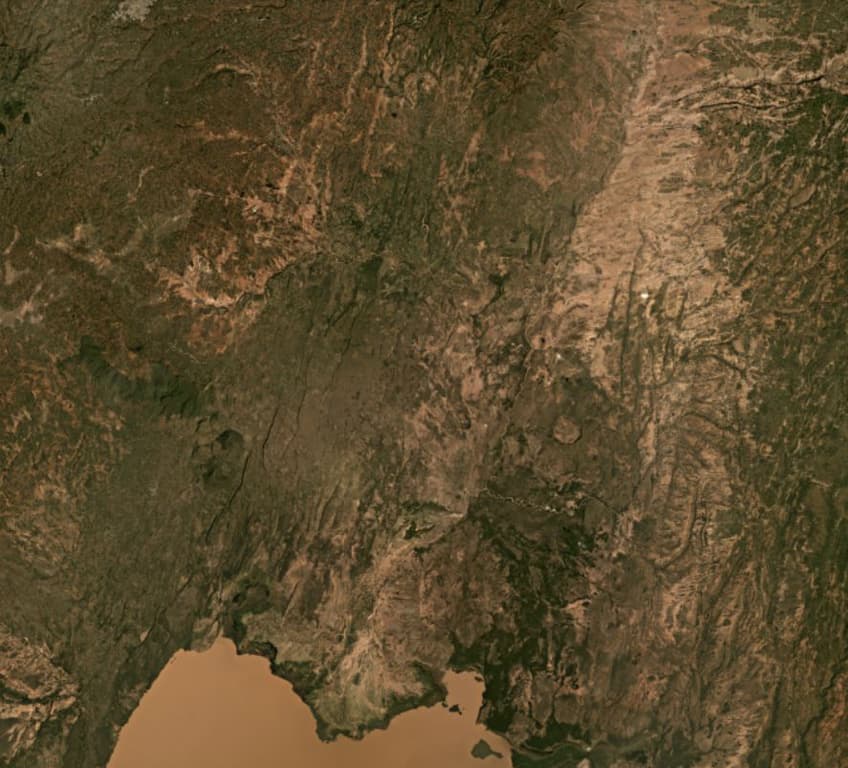
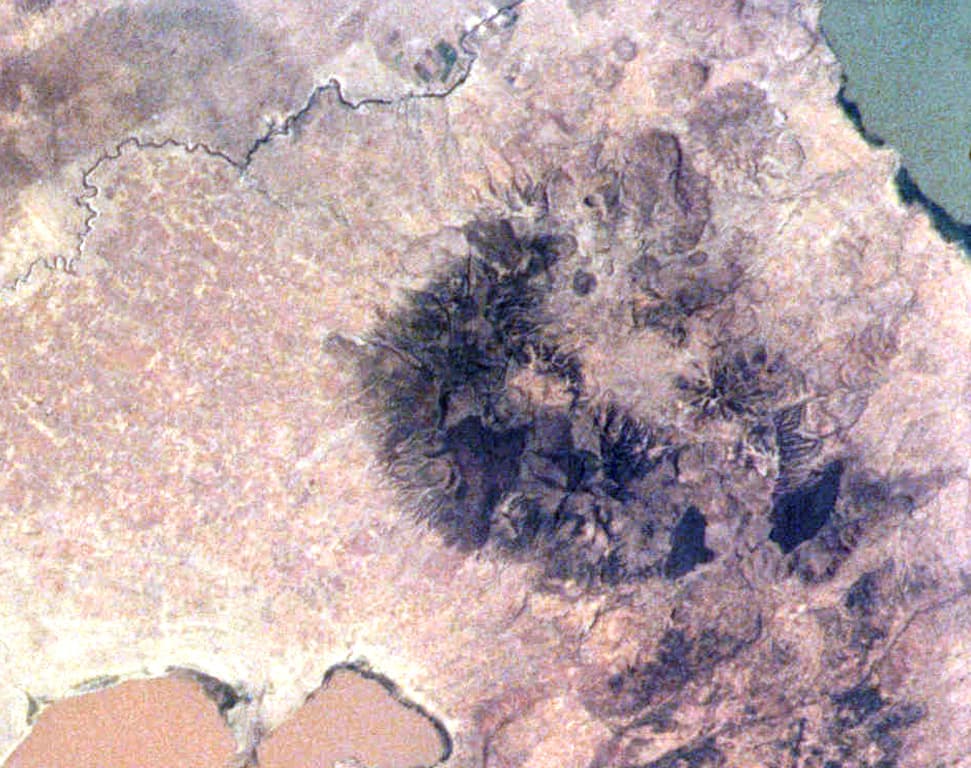
Corbetti is is one of the largest calderas (15.6 x 10.9 km) within the Main Ethiopian Rift (MER). As summarized by Colby et al. (2022), it has followed an evolutionary pattern similar to other caldera volcanoes within the MER, beginning with a shield-building phase of peralkaline rhyolite lava flows, followed by at least one caldera-forming eruption, the inferred deposits of which are dated to ca. 182 ± 28 ka (Hutchison et al., 2016). Subsequent volcanism focused around three post-caldera edifices (Artu, Urji, and Chabbi) and a rhyolitic cone (Biftu Tuff Cone), situated outside the south-eastern caldera wall.... The eroded remains of Artu cone partly cover the northeastern section of the caldera, and younger products from Chabbi shield entirely cover the eastern portion of the caldera wall." The Wendo Koshe Younger Pumice (WKYP) has been 14C dated by Rapprich et al. (2016) to around 396 BCE; stratigraphic correlations indicate more recent eruptions, including four obsidian lava flows (Rapprich et al., 2016) and possibly two smaller explosive eruptions (Colby et al., 2022). Additional undated deposits are present between the WKYP event and the formation of the Biftu Tuff Cone after 5425 BCE (Colby et al., 2022).
— Smithsonian Institution, Global Volcanism Program
2 Recorded Eruptions
| Year | VEI | Type | Area |
|---|---|---|---|
| 396 BCE | 5 | Confirmed Eruption | — |
| 5425 BCE | — | Confirmed Eruption | — |
Real-Time Data
Frequently Asked Questions About Corbetti
Is Corbetti an active volcano?+
Corbetti is classified as active based on credible evidence of past eruptions. Although its last known eruption was in 396 BCE, volcanologists consider it capable of erupting again.
When did Corbetti last erupt?+
The most recent recorded eruption of Corbetti occurred in 396 BCE with a Volcanic Explosivity Index (VEI) of 5. The eruption was classified as a "Confirmed Eruption." Corbetti has 2 recorded eruptions in total.
How high is Corbetti?+
Corbetti has a summit elevation of 2,289 meters (7,510 feet) above sea level. At 2,289 meters, it is comparable in height to many significant mountain peaks and stands well above the tree line.
What type of volcano is Corbetti?+
Corbetti is classified as a Caldera. Calderas are large volcanic depressions formed when a volcano erupts so powerfully that its magma chamber collapses, creating a basin that can be kilometers wide. They are often sites of some of Earth's largest eruptions.
Where is Corbetti located?+
Corbetti is located in Ethiopia, in the Eastern Africa Volcanic Regions. More specifically, it lies within the Main Ethiopian Rift Volcanic Province. Its exact coordinates are 7.193° latitude, 38.390° longitude.
Is it safe to visit Corbetti?+
Corbetti can generally be visited, but as with any volcano, visitors should check local conditions and any advisory notices before traveling. Ethiopia may have specific regulations for accessing volcanic areas. Guided tours are often the safest and most informative way to experience a volcano.