Bora-Bericha-Tullu Moye
Pyroclastic cone · 2,345m · Ethiopia
About Bora-Bericha-Tullu Moye
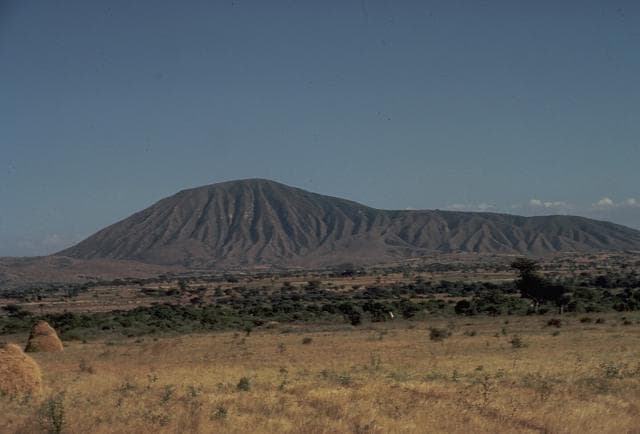
Bora-Bericha-Tullu Moye is a pyroclastic cone rising to 2,345 meters (7,694 feet) in Ethiopia's Eastern Africa Volcanic Regions. It last erupted in 1900 CE, and volcanologists consider it an active volcanic system. The volcano has produced 3 recorded eruptions, with a maximum Volcanic Explosivity Index (VEI) of 1.
Geography & Climate
Bora-Bericha-Tullu Moye is located in Ethiopia, within the Main Ethiopian Rift Volcanic Province of the broader Eastern Africa Volcanic Regions. Situated at 8.21° N, 39.08° E in the Northern Hemisphere, the volcano lies within a tropical climate zone. At 2,345 meters above sea level, Bora-Bericha-Tullu Moye rises above the surrounding terrain into montane or subalpine conditions. The elevation creates distinct ecological zones along its flanks, from forested lower slopes to exposed rocky terrain near the summit. The volcanic landform is characterized as a cluster, which describes the physical shape and structure of the volcanic edifice as observed from the surface.
Geological Context
Bora-Bericha-Tullu Moye is situated along a rift zone, where tectonic plates are pulling apart. As the crust thins and fractures, magma rises to fill the gap, creating volcanic activity. Rift volcanism typically produces more fluid lava flows rather than explosive blasts, which means communities near Bora-Bericha-Tullu Moye in Ethiopia generally face slower-moving hazards like lava flows and ground fissures rather than sudden pyroclastic events. However, rift volcanoes can still generate significant ash emissions and gas releases that affect local air quality. The dominant rock type is rhyolite, a silica-rich volcanic rock associated with highly viscous magma. Rhyolitic eruptions can be extremely explosive and are responsible for some of the largest volcanic events in Earth's history, including supervolcanic caldera-forming eruptions. The high silica content traps dissolved gases, building enormous pressure that can lead to catastrophic explosive releases.
Eruption History Summary
Bora-Bericha-Tullu Moye has 3 recorded eruptions in the geological database, spanning from 760 CE to 1900 CE. The most powerful recorded event was a gentle, effusive event in 1900 CE, reaching VEI 1 on the Volcanic Explosivity Index. These eruptions span roughly 1,140 years of volcanic history. The most recent eruption in 1900 CE places this volcano within the modern era of volcanological observation.
GVP Reference Summary
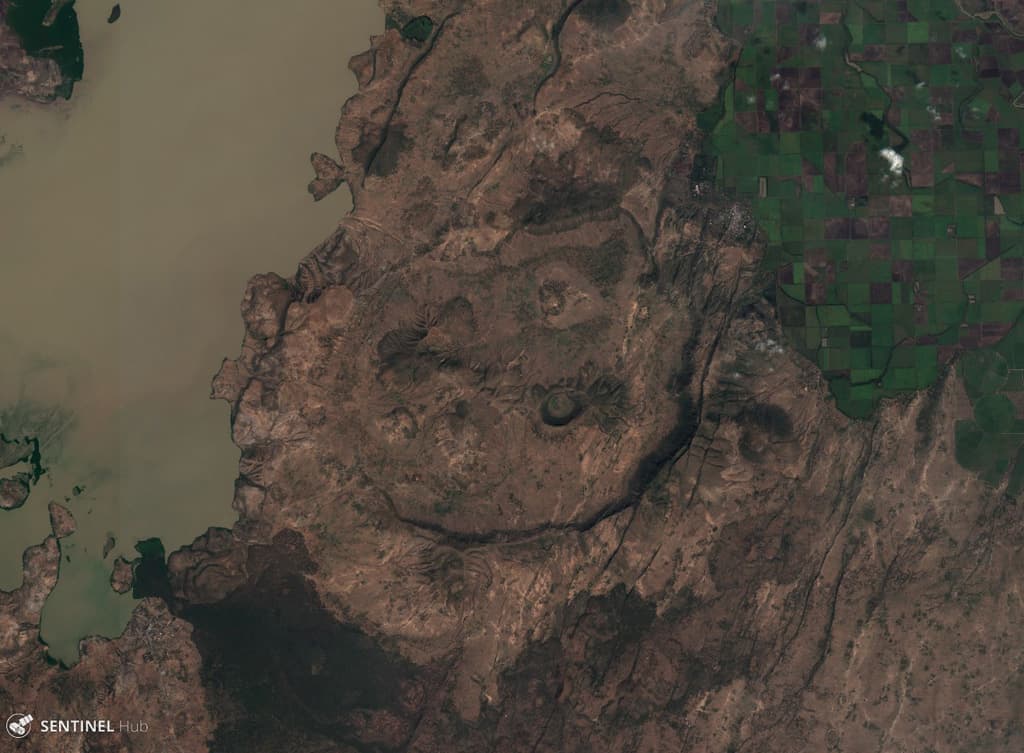
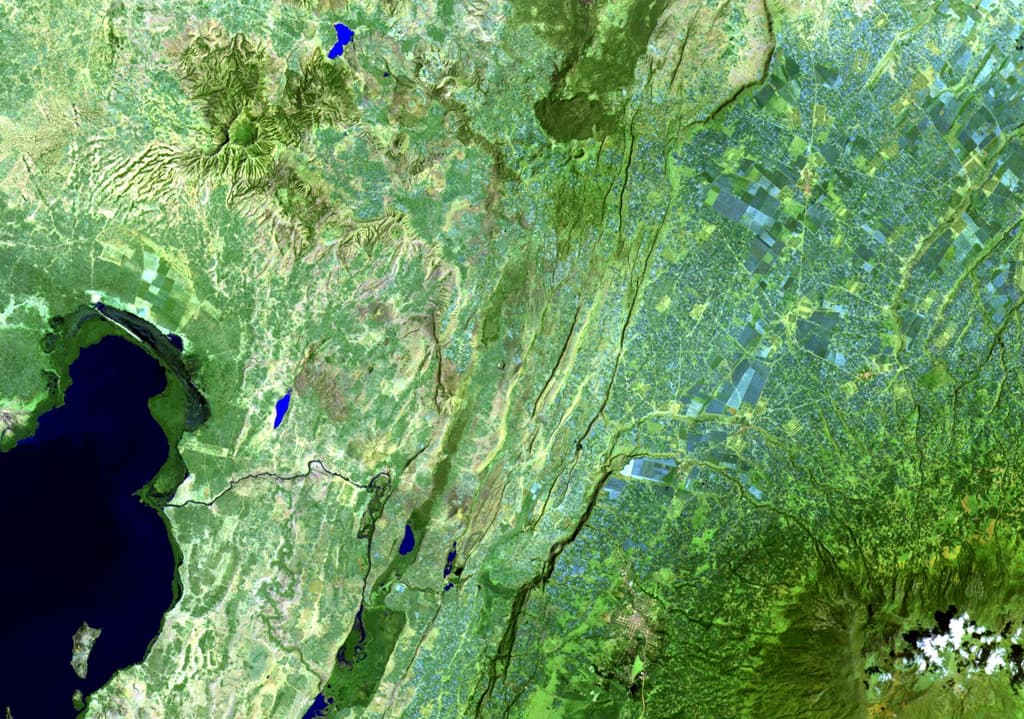
The Bora-Bericha-Tullu Moye (BBTM) volcanic complex includes three main silicic edifices and at least 11 smaller cones within the Main Ethiopian Rift. Tullu Moye is a youthful trachytic-to-rhyolitic pumice cone with a 700-m-wide summit crater. A large silicic lava flow at Giano was erupted about two centuries ago from a regional fissure. Flank fissures have produced silicic lava flows as recently as about 1900 CE. Many large lava flows can be seen N of the Tulle Moye cone, extending for about 20 km in an arc between Gedamsa and the Bericha cone to the SE shore of Koka Lake. The silicic Bora and Bericha pumice cones are SE of Koka Lake. Bora has a 1.5-km-wide summit crater; the more conical Bericha is capped by a small summit crater and has a 1-km-wide crater on its S flank. Small silicic pyroclastic cones are found on the E flanks of both. All volcanic products in this area are considered to be Holocene, and there is ongoing fumarolic activity.
— Smithsonian Institution, Global Volcanism Program
3 Recorded Eruptions
| Year | VEI | Type | Area |
|---|---|---|---|
| 1900 | 1 | Confirmed Eruption | Wonji Fault Belt, SE of Lake Koka |
| 1775 | 0 | Confirmed Eruption | Giano lava flow |
| 760 | — | Confirmed Eruption | Bericha |
Real-Time Data
Frequently Asked Questions About Bora-Bericha-Tullu Moye
Is Bora-Bericha-Tullu Moye an active volcano?+
Yes, Bora-Bericha-Tullu Moye is considered an active volcano. Its most recent eruption was in 1900 CE. The volcano is monitored by geological agencies, and its activity status is based on observed eruptions within recorded history.
When did Bora-Bericha-Tullu Moye last erupt?+
The most recent recorded eruption of Bora-Bericha-Tullu Moye occurred in 1900 CE with a Volcanic Explosivity Index (VEI) of 1. The eruption was classified as a "Confirmed Eruption." Bora-Bericha-Tullu Moye has 3 recorded eruptions in total.
How high is Bora-Bericha-Tullu Moye?+
Bora-Bericha-Tullu Moye has a summit elevation of 2,345 meters (7,694 feet) above sea level. At 2,345 meters, it is comparable in height to many significant mountain peaks and stands well above the tree line.
What type of volcano is Bora-Bericha-Tullu Moye?+
Bora-Bericha-Tullu Moye is classified as a Pyroclastic cone. Pyroclastic cone volcanoes have distinct geological characteristics that set them apart from other volcanic types.
Where is Bora-Bericha-Tullu Moye located?+
Bora-Bericha-Tullu Moye is located in Ethiopia, in the Eastern Africa Volcanic Regions. More specifically, it lies within the Main Ethiopian Rift Volcanic Province. Its exact coordinates are 8.211° latitude, 39.081° longitude.
Is it safe to visit Bora-Bericha-Tullu Moye?+
Visiting Bora-Bericha-Tullu Moye requires checking current volcanic activity and alert levels. As an active volcano with eruptions as recent as 1900 CE, conditions can change rapidly. Always consult local geological authorities and follow official warnings before visiting. Many active volcanoes have designated safe viewing areas and guided tour options.